

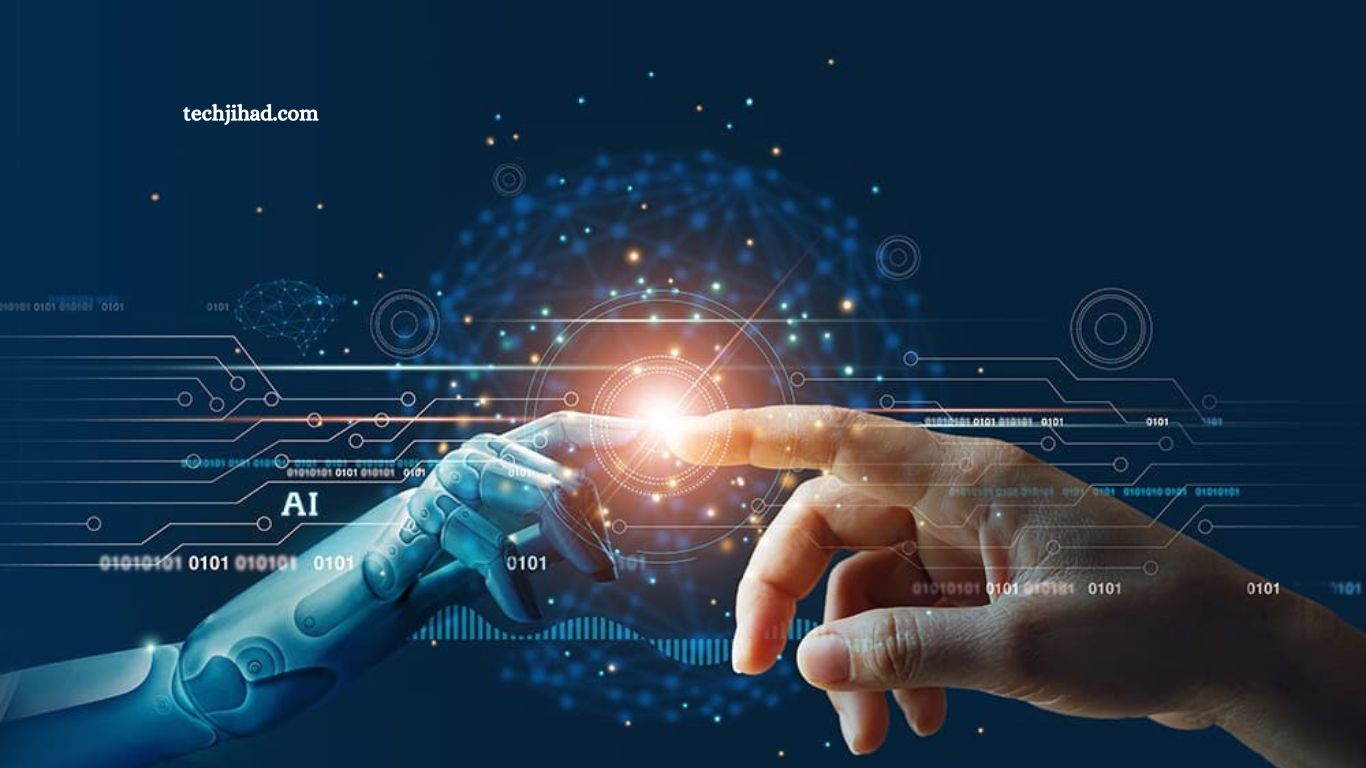
Artificial Intelligence (AI) is rapidly reshaping global industries, economies, and daily human experiences. Advanced algorithms, machine learning systems, and intelligent automation are creating new possibilities across healthcare, finance,
Education, transportation, and business operations. Continuous innovation is driving smarter decisions, improved productivity, and deeper data insights. Modern society is entering a new technological era powered by intelligent machines.
Read More: How Hackers Attack and How to Prevent Cybercrime
Artificial Intelligence: Powerful Technological Revolution
Artificial Intelligence represents computer systems designed for tasks traditionally requiring human intelligence. Pattern recognition, language understanding, predictive analysis, and automated decision-making form core capabilities of AI systems.
Technologies such as machine learning, deep learning, natural language processing, and computer vision enable machines to analyze vast datasets, identify trends, and deliver accurate predictions.
Businesses, governments, and research institutions are investing heavily in AI development due to the enormous potential for efficiency, innovation, and competitive advantage.
AI Transforming the Healthcare Industry
The healthcare sector is experiencing a major transformation through Artificial Intelligence. AI-powered diagnostic tools are assisting doctors in detecting diseases earlier with higher accuracy. Medical imaging analysis helps identify conditions such as cancer, heart disease, and neurological disorders within seconds.
Benefits include:
- Faster disease detection
- Personalized treatment recommendations
- Reduced medical errors
- Efficient hospital resource management
AI-driven drug discovery platforms are accelerating pharmaceutical research and reducing development time for life-saving medications.
AI Revolutionizing Business Operations
Modern businesses are adopting Artificial Intelligence for smarter operations, improved customer experiences, and optimized workflows.
AI applications in business include:
- Predictive analytics for market trends
- Intelligent customer service chatbots
- Automated supply chain management
- Fraud detection systems
- Smart recommendation engines
Companies using AI gain a significant competitive advantage through faster decision-making, better customer insights, and increased operational efficiency.
Artificial Intelligence in Education
Education systems are evolving through AI-driven tools that support personalized learning experiences.
Adaptive learning platforms analyze student performance and adjust lessons based on learning pace. Virtual tutors provide instant assistance, helping students understand complex topics.
Key advantages include:
- Personalized education paths
- Improved student engagement
- Real-time learning feedback
- Enhanced accessibility for remote learners
Educational institutions are integrating AI technologies to create more inclusive, flexible learning environments.
AI Transforming Transportation: The transportation
The transportation industry is rapidly advancing through Artificial Intelligence technologies.
Self-driving vehicles, smart traffic management systems, and predictive maintenance platforms are improving safety, efficiency, and sustainability.
AI contributions include:
- Autonomous vehicle navigation
- Traffic congestion reduction
- Logistics optimization
- Real-time route planning
These innovations promise safer roads, reduced fuel consumption, and faster delivery systems.
Artificial Intelligence Enhancing Cybersecurity
Digital transformation increasing cybersecurity challenges worldwide. Artificial Intelligence provides powerful defense mechanisms against evolving cyber threats.
AI-based security systems analyze network activity, detect unusual behavior, and prevent attacks before major damage occurs.
Capabilities include:
- Real-time threat detection
- Automated security responses
- Fraud prevention systems
- Continuous network monitoring
Organizations relying on AI-driven cybersecurity solutions protect sensitive data more effectively.
Ethical Considerations and Future Challenges
Despite enormous benefits, Artificial Intelligence raises important ethical considerations.
Key concerns include:
- Data privacy protection
- Algorithm bias
- Job displacement due to automation
- Responsible AI governance
Governments, technology companies, and research communities are working toward responsible AI frameworks, ensuring ethical development, transparency, and fairness.
Future Outlook of Artificial Intelligence
Artificial Intelligence is expected to become a central driver of global innovation during the upcoming decades. Advancements in robotics, quantum computing, and AI-powered automation will further expand capabilities across industries.
Future developments likely include:
- Smarter cities powered by AI infrastructure
- Advanced medical diagnostics
- Autonomous transportation networks
- Highly personalized digital services
Organizations embracing AI technologies early will shape future economic landscapes.
Frequently Asked Questions
What is Artificial Intelligence?
Artificial Intelligence refers to computer systems designed for tasks requiring human-like intelligence, such as learning, problem-solving, decision-making, and language understanding.
How does Artificial Intelligence impact daily life?
Artificial Intelligence improves daily life through smart assistants, recommendation systems, online customer support, navigation apps, and personalized digital services.
Which industries benefit most from Artificial Intelligence?
Healthcare, finance, education, transportation, retail, and cybersecurity industries gain major advantages from Artificial Intelligence technologies.
Can Artificial Intelligence replace human jobs?
Artificial Intelligence automates repetitive tasks; however, new technology-driven roles, innovation opportunities, and advanced career paths continue to emerge.
Is Artificial Intelligence safe for society?
Artificial Intelligence offers significant benefits when developed with strong ethical guidelines, transparent algorithms, and responsible data management.
What future developments are expected from Artificial Intelligence?
Future advancements include smarter cities, autonomous transportation systems, improved medical diagnostics, advanced robotics, and highly personalized digital experiences.
Conclusion
Artificial Intelligence is transforming the world through powerful technological capabilities that enhance productivity, improve decision-making, and accelerate innovation. Healthcare, business, education, transportation, and cybersecurity are already experiencing major benefits from AI integration.
