

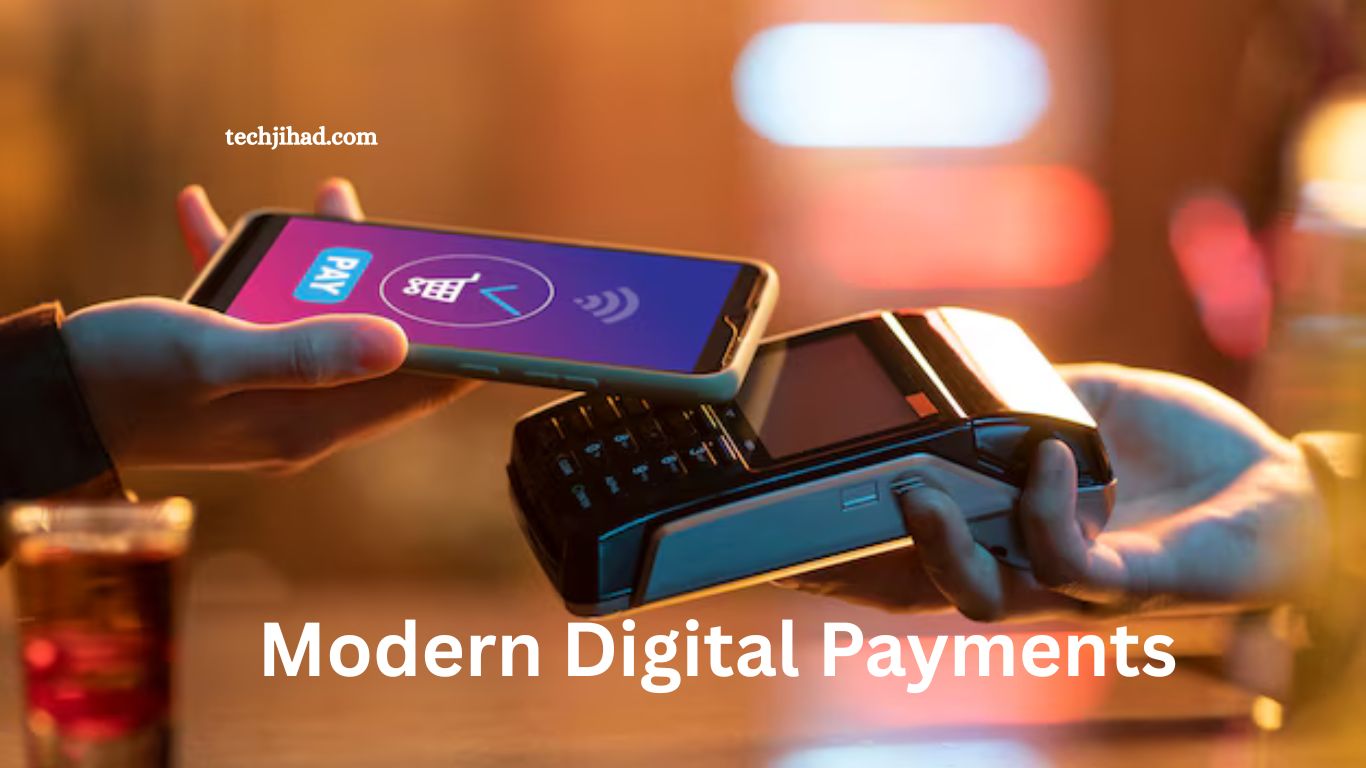
Digital payments have transformed how people and businesses exchange money, offering speed, convenience, and security. At the core of this shift lies advanced technology that powers every transaction, from mobile wallets to contactless cards. Modern payment systems rely on cloud computing, encryption, and real-time processing to ensure seamless and secure transfers. APIs and blockchain solutions further enhance efficiency, enabling instant payments across borders and platforms.
For businesses, these technologies streamline operations, reduce costs, and improve customer experiences, while consumers benefit from faster, safer, and more flexible payment options. Understanding the technology behind digital payments is essential for navigating today’s fast-evolving financial landscape and preparing for the innovations shaping the future of commerce.
The Evolution of Digital Payments
Digital payments have come a long way from the early days of credit cards and online banking. The rise of smartphones, e-commerce, and mobile apps has accelerated the adoption of digital payment systems. Consumers now expect frictionless transactions, whether buying groceries online, transferring money to a friend, or paying for a ride-sharing service.
This shift has driven innovations in financial technology (fintech), leading to mobile wallets, peer-to-peer (P2P) payment apps, and contactless cards. Behind these tools are complex networks that ensure every payment is authorized, secure, and processed in real time. The evolution of digital payments reflects the growing demand for speed, security, and convenience in financial transactions.
Read More: How Digital Tools Are Transforming Financial Access
Core Technologies Behind Digital Payments
Modern digital payments rely on a combination of technologies that work together to deliver efficiency, security, and scalability. The key components include:
Payment Gateways and Processors
Payment gateways act as the bridge between consumers, merchants, and banks. They securely transmit payment information during online or mobile transactions. Payment processors handle the actual movement of funds, verifying accounts and authorizing transactions in real time.
Together, gateways and processors ensure that payments are processed quickly, accurately, and securely. They also support multiple payment methods, including credit/debit cards, mobile wallets, and digital currencies, enabling a seamless user experience.
Encryption and Tokenization
Security is paramount in digital payments. Encryption converts sensitive payment data into unreadable codes, protecting it from hackers during transmission. Tokenization replaces card or account numbers with unique identifiers (tokens), which are meaningless if intercepted.
These technologies reduce the risk of fraud, enabling consumers and businesses to trust digital payment systems. They are critical for compliance with regulations such as PCI DSS, which sets the standard for the secure handling of payment information.
Real-Time Processing and Instant Payments
Consumers today expect instant transactions. Technologies such as real-time payment (RTP) networks and automated clearing houses (ACH) facilitate near-instantaneous fund transfers. Unlike traditional banking systems, which take days to settle payments, real-time processing ensures immediate confirmation and fund availability.
This speed is crucial for e-commerce, P2P transfers, and subscription-based services. It improves customer satisfaction and allows businesses to manage cash flow more efficiently.
Application Programming Interfaces (APIs)
APIs are the backbone of modern fintech innovation. They allow different software systems to communicate and exchange data securely. APIs enable payment gateways, mobile apps, and financial institutions to integrate seamlessly, creating a unified payment ecosystem.
With APIs, businesses can offer features such as recurring payments, instant refunds, and cross-platform transactions, while maintaining robust security and compliance.
Blockchain and Distributed Ledger Technology
Blockchain is transforming how digital payments are verified and recorded. By creating a decentralized ledger of transactions, blockchain reduces reliance on traditional banks, minimizes fraud, and increases transparency. Cryptocurrencies like Bitcoin and Ethereum leverage blockchain to enable peer-to-peer payments without intermediaries.
Beyond cryptocurrencies, blockchain is used in cross-border payments, smart contracts, and supply chain finance, offering faster settlement times and lower transaction costs.
Artificial Intelligence and Machine Learning
AI and machine learning play a critical role in detecting fraud and optimizing payment processes. By analyzing transaction patterns, AI algorithms can flag suspicious activities in real time, protecting both consumers and businesses.
AI also enhances customer experiences through personalized recommendations, automated customer support, and predictive analytics. For example, banks and payment apps use AI to suggest payment methods or notify users about recurring expenses.
Cloud Computing
Cloud technology powers scalability and flexibility in digital payments. By hosting payment platforms on cloud servers, fintech companies can handle massive transaction volumes without delays or downtime. Cloud infrastructure also enables remote access, integration with other systems, and real-time analytics, essential for modern digital payment ecosystems.
Types of Modern Digital Payment Systems
Understanding the technologies behind payments also requires an overview of the systems themselves:
- Mobile Wallets: Apps like Apple Pay, Google Wallet, and PayPal store payment credentials and allow users to pay directly from their smartphones.
- Contactless Payments: NFC-enabled cards and devices let users tap to pay, speeding up transactions in retail environments.
- Peer-to-Peer Payments (P2P): Apps like Venmo, Zelle, and Cash App allow instant money transfers between individuals.
- Cryptocurrencies: Digital currencies operate on blockchain, enabling decentralized payments without traditional banks.
- Subscription and Recurring Payments: Automated billing solutions simplify recurring billing for services such as streaming platforms and SaaS products.
Each system relies on a combination of the technologies discussed above to ensure security, speed, and reliability.
Benefits of Technology-Driven Digital Payments
The technological backbone of digital payments delivers multiple benefits:
- Speed: Transactions are processed instantly, reducing waiting times for both consumers and businesses.
- Security: Encryption, tokenization, and AI-driven fraud detection protect sensitive data.
- Accessibility: Mobile and digital payment solutions allow people to transact from anywhere in the world.
- Cost Efficiency: Automation reduces manual processing, lowering operational costs.
- Improved Customer Experience: Seamless, fast, and secure payments increase satisfaction and loyalty.
- Innovation: APIs and fintech integrations enable businesses to offer new features and payment options.
Challenges and Considerations
Despite the advantages, technology-driven payments face challenges:
- Cybersecurity Threats: Hackers constantly seek vulnerabilities, making ongoing security upgrades essential.
- Regulatory Compliance: Payment systems must adhere to local and international financial regulations, which can be complex and vary by jurisdiction.
- Infrastructure Costs: Implementing real-time processing and cloud-based solutions requires investment.
- Digital Divide: Not everyone has access to smartphones or the internet, limiting the adoption of digital payments in some regions.
Addressing these challenges ensures that digital payment technology remains reliable, inclusive, and secure.
The Future of Digital Payments
Emerging technologies and changing consumer expectations will shape the future of digital payments. Some trends to watch include:
- AI-Enhanced Fraud Prevention: Smarter algorithms will predict and prevent fraud before it happens.
- Biometric Authentication: Fingerprints, facial recognition, and voice authentication will increase security and convenience.
- Cross-Border Instant Payments: Blockchain and fintech networks will enable faster, cheaper international transactions.
- Embedded Finance: Payments integrated directly into apps, platforms, and devices will become the norm.
- Sustainable Payments: Green fintech solutions may reduce the environmental impact of payment systems.
These advancements promise faster, smarter, and more secure financial transactions for everyone.
Frequently Asked Questions
What are digital payments?
Digital payments are transactions conducted electronically without using cash, allowing money to be sent or received via mobile apps, credit/debit cards, online banking, or digital wallets.
How do digital payment systems work?
Digital payment systems use payment gateways, processors, encryption, and APIs to securely transmit and authorize transactions in real time. Technologies like tokenization and blockchain ensure security and transparency.
Are digital payments secure?
Yes, modern digital payments use encryption, tokenization, multi-factor authentication, and AI-driven fraud detection to protect users’ financial data and prevent unauthorized transactions.
What is the role of blockchain in digital payments?
Blockchain provides a decentralized, tamper-proof ledger that enables faster, transparent, and low-cost transactions, particularly in cross-border payments and cryptocurrency transfers.
Can digital payments be used globally?
Yes, with international payment gateways, mobile wallets, and blockchain technology, digital payments can be conducted across borders quickly and securely, often in real time.
What are the benefits of digital payments?
Digital payments offer speed, convenience, security, cost efficiency, and improved customer experiences, making transactions seamless for both consumers and businesses.
What is the future of digital payments?
The future includes AI-enhanced fraud prevention, biometric authentication, cross-border instant payments, embedded finance, and more sustainable, eco-friendly payment solutions.
Conclusion
The technology powering modern digital payments has transformed how money moves in today’s fast-paced world. From encryption and tokenization to AI, blockchain, and real-time processing, these innovations ensure transactions are secure, fast, and reliable. Businesses benefit from streamlined operations and reduced costs, while consumers enjoy convenience, flexibility, and peace of mind.
