

Introduction
Cybersecurity threats continue to grow as businesses depend more heavily on websites, cloud platforms, applications, and digital systems. Every connected system can contain weaknesses that attackers may try to exploit. Identifying these issues before they cause damage is an important part of protecting business information and maintaining customer trust. Traditional security assessments can provide valuable insights, but they may take considerable time to complete. This is where a fast pen test becomes useful. It helps organizations identify security weaknesses within a shorter period while providing practical information about potential risks. By testing systems under controlled conditions, businesses can better understand their security position, address important vulnerabilities, and make informed decisions about protecting their digital infrastructure.
Understanding the Purpose of Penetration Testing
Penetration testing is a controlled security exercise that involves examining digital systems for weaknesses that could be exploited by malicious attackers. Security professionals use approved testing methods to assess applications, networks, servers, and other technology assets. The goal is not simply to find vulnerabilities but also to understand how those weaknesses could affect the organization.
A penetration test may examine several areas, including:
- Network security: Identifying weaknesses in internal and external network environments.
- Web application security: Checking websites for common coding and configuration problems.
- Authentication systems: Evaluating password policies, login processes, and access controls.
- Data protection: Reviewing how sensitive information is stored, accessed, and transmitted.
These findings help businesses understand which security improvements deserve attention and how they can reduce exposure to potential attacks.
Why Speed Matters in Modern Security Assessments
Modern businesses operate in environments where technology changes frequently. New applications are launched, software updates are installed, and cloud services are introduced as business needs evolve. Each change can create new security risks that require attention. Waiting too long for an assessment may leave important weaknesses undiscovered during critical periods.
Fast penetration testing helps organizations respond to these challenges more efficiently. It can provide earlier visibility into security problems, allowing teams to investigate and resolve them before they become larger concerns. Speed is particularly valuable when businesses need to assess newly developed applications, review important system changes, or prepare for security requirements.
However, a faster assessment should never mean ignoring important testing activities. The process must still follow a clear scope, use suitable testing methods, and provide reliable findings that support meaningful security improvements.
Key Benefits of Fast Pen Test Services
A well-planned fast pen test can support several important cybersecurity goals. It gives businesses a practical way to examine their defenses without unnecessarily delaying development or daily operations. Although the exact benefits depend on the testing scope, organizations can gain useful insights from a focused assessment.
Some key advantages include:
- Faster vulnerability discovery: Helps identify potential security weaknesses within a shorter assessment period.
- Better decision-making: Gives technical teams information they can use to prioritize security improvements.
- Reduced exposure time: Allows organizations to investigate and address discovered issues sooner.
- Development support: Helps software teams identify security problems before applications move further through the release process.
- Improved security awareness: Shows employees and decision-makers where existing protections may need improvement.
These benefits make faster assessments valuable for organizations that want to maintain security while keeping business activities moving.
How Fast Penetration Testing Supports Vulnerability Assessment
Vulnerability assessment and penetration testing are closely connected, but they serve different purposes. A vulnerability assessment generally identifies and evaluates known weaknesses across systems. Penetration testing goes further by safely attempting to exploit selected weaknesses to understand their potential impact.
When used together, these approaches provide a more complete view of security risks. A focused penetration test can help confirm whether identified vulnerabilities are practically exploitable under the agreed testing conditions. This information helps security teams distinguish between issues that require immediate attention and those that present a lower level of risk.
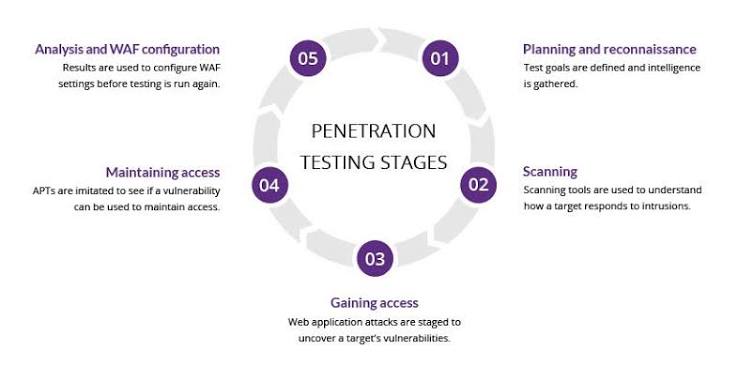
An effective assessment process often includes:
- Defining the scope: Identifying which applications, networks, or systems will be tested.
- Collecting information: Understanding the target environment and its security boundaries.
- Testing for weaknesses: Using approved methods to identify and examine vulnerabilities.
- Evaluating risks: Considering the possible impact and likelihood of successful exploitation.
- Reporting findings: Providing clear evidence and recommendations for remediation.
This structured approach helps turn technical discoveries into practical security improvements.
Important Factors When Choosing a Testing Provider
Selecting the right penetration testing provider is important because the quality of an assessment depends on more than its delivery speed. Businesses should look for experienced professionals who understand modern security risks and can adapt their testing methods to different technology environments.
Before choosing a provider, organizations should consider several factors:
- Technical experience: Check whether the team has relevant experience with the systems and applications being tested.
- Clear testing scope: Confirm which assets, methods, and security areas are included.
- Responsible testing practices: Ensure that testing is authorized and designed to minimize disruption.
- Detailed reporting: Look for understandable findings supported by evidence and practical recommendations.
- Retesting options: Determine whether the provider can verify that important vulnerabilities have been resolved.
A reliable provider should explain what can realistically be achieved within the available timeframe. Clear communication helps prevent misunderstandings and ensures that businesses receive useful results rather than simply a quick report.
Balancing Fast Results With Testing Quality
Speed is valuable in cybersecurity, but accuracy and coverage remain essential. A rushed assessment that overlooks important systems or skips meaningful validation may create a false sense of security. Businesses should therefore understand the difference between a focused rapid assessment and a comprehensive penetration test.
The testing timeline should reflect the complexity of the target environment, the number of assets involved, and the level of assurance required. A smaller application with a clearly defined scope may be suitable for a shorter assessment. A large organization with multiple networks, integrations, and cloud environments may need a more extensive engagement.
Organizations can maintain a better balance by defining priorities, providing accurate system information, and agreeing on realistic testing boundaries. They should also review findings carefully and arrange additional testing when necessary. Fast assessments work best when efficiency supports quality rather than replacing it.
Conclusion
Cybersecurity requires continuous attention as businesses adopt new technologies and face changing threats. Identifying vulnerabilities early can help organizations protect valuable information, maintain reliable services, and reduce the risk of security incidents. Fast pen test services provide a practical way to examine important digital assets and gain useful security insights within a shorter timeframe. When supported by experienced professionals, clear testing boundaries, and detailed reporting, these assessments can strengthen modern vulnerability management efforts. However, speed should always be balanced with technical accuracy and appropriate coverage. By combining focused penetration testing with regular vulnerability assessments and timely remediation, businesses can build stronger defenses and maintain a more confident approach to protecting their digital environments.
