

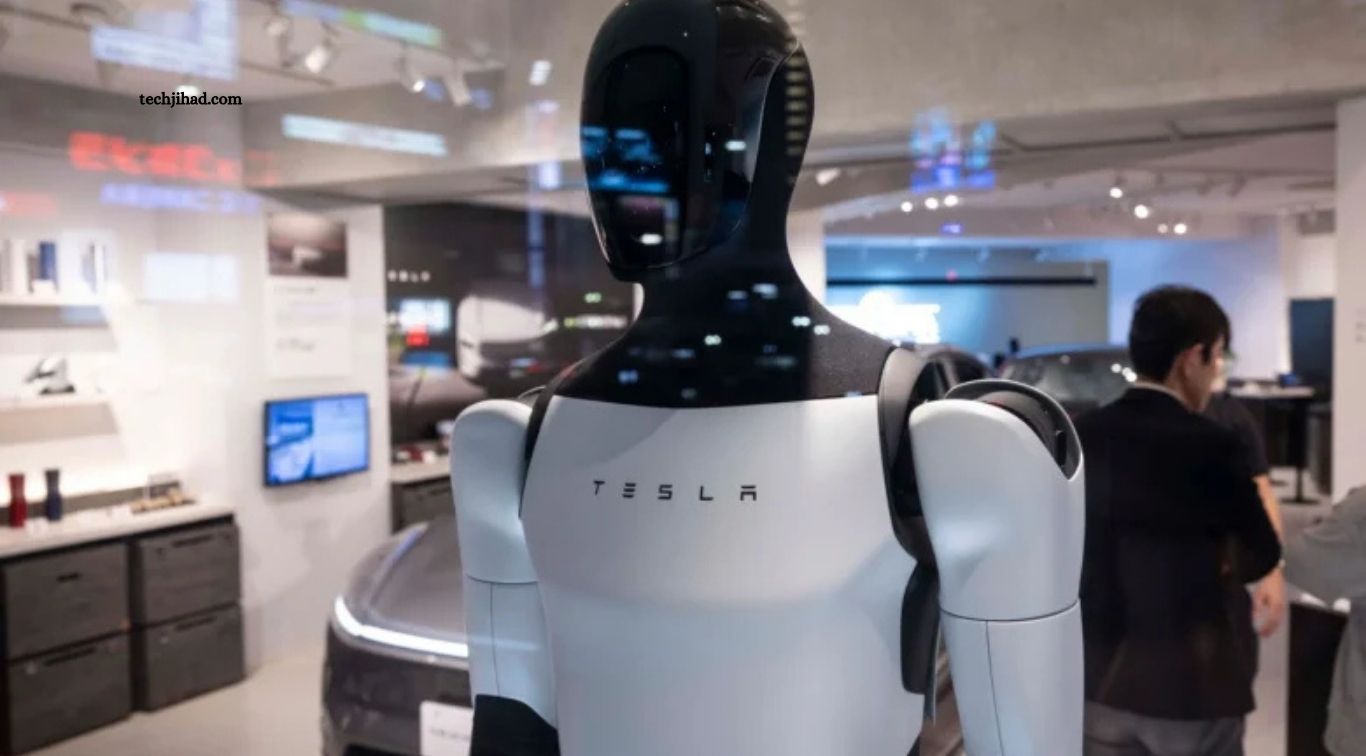
Robotics startups are entering an important new phase as manufacturers increasingly look beyond impressive demonstrations and seek robots that can perform useful work inside real factories. Instead of focusing only on movement, artificial intelligence, or eye-catching prototype videos, companies must now prove that their machines can handle repetitive tasks, operate safely, and deliver measurable business value. This shift marks a significant step toward making advanced robotics a practical part of industrial operations.
The transition is creating opportunities for startups developing industrial robotic arms, autonomous mobile robots, humanoid machines, and AI-powered automation systems. Manufacturers want solutions that improve productivity, support workers, and reduce operational bottlenecks. However, moving from a successful demonstration to dependable factory deployment requires more than innovative engineering. Robotics companies must also address reliability, integration, maintenance, safety, and the financial realities of industrial production.
Read More: Satellite Internet Faces New Competition From Low-Orbit Rivals
Why Robotics Startups Are Moving Beyond Demonstrations
Demonstrations help robotics startups attract investors, showcase technical capabilities, and generate interest from potential customers. However, a robot performing a task successfully in a controlled environment does not automatically prove that it can handle an entire production shift. Real factories introduce unexpected obstacles, changing workloads, different materials, and strict operational requirements that challenge robotic systems.
Manufacturers increasingly want evidence of consistent performance rather than promises about future capabilities. They need robots that can complete assigned tasks repeatedly, work alongside existing equipment, and recover from common errors without excessive intervention. As a result, startups are placing greater emphasis on customer trials, production testing, and measurable results that demonstrate genuine industrial value.
Real-World Factory Deployments Show Growing Momentum
Several partnerships illustrate how robotics companies are progressing toward practical factory applications. In February 2026, TechCrunch reported that Toyota Motor Manufacturing Canada had contracted seven Agility Robotics Digit humanoid robots following a pilot project. The robots were intended to unload containers of automotive parts, demonstrating how humanoid machines can support specific manufacturing and logistics workflows. Read the report from TechCrunch.
Another example involves Hexagon Robotics and Schaeffler, which announced a planned deployment of at least 1,000 AEON humanoid robots across Schaeffler’s global factory network by 2032 following a successful pilot. The companies are targeting industrial tasks such as machine loading, unloading, and parts inspection. These announcements signal growing commercial interest, although planned rollouts should not be confused with completed deployments or proof that every application is already operating at scale. Read Hexagon Robotics’ announcement.
What Is Driving the Shift Toward Factory Robotics?
Demand for Higher Productivity
Manufacturers face pressure to increase output, control costs, and maintain consistent product quality. Robotic systems can help by performing repetitive tasks at predictable speeds and supporting continuous production schedules. When properly integrated, automation can reduce delays, improve material movement, and allow employees to focus on work that requires judgment, technical expertise, or problem-solving.
However, productivity gains depend on the task and the surrounding production process. A robot that moves parts efficiently may still create bottlenecks if upstream equipment cannot supply materials quickly enough. Startups therefore need to understand the entire workflow, identify the real operational problem, and demonstrate that their technology improves overall factory performance rather than simply automating an isolated activity.
Advances in Artificial Intelligence
Artificial intelligence is helping robots recognize objects, interpret visual information, and respond to changes in their surroundings. Improvements in computer vision, motion planning, and machine learning are expanding the range of tasks that robots can perform beyond rigid, preprogrammed movements. These capabilities are particularly useful in environments where objects vary in position or workers need flexible automation.
Despite this progress, AI-powered robotics still faces practical limitations. Systems must respond predictably, handle unfamiliar situations safely, and avoid costly mistakes when working near people or valuable equipment. Startups must combine intelligent software with reliable hardware, effective sensors, and careful testing to make their robots suitable for everyday industrial use.
The Biggest Challenges Facing Robotics Startups
Reliability and Safety
Factory environments demand dependable equipment because unexpected failures can interrupt production, damage materials, or create safety risks. Robotics startups must test their systems under realistic conditions, evaluate performance over extended periods, and design reliable methods for detecting faults. Maintenance access, replacement parts, emergency stops, and recovery procedures are essential considerations when a robot becomes part of an operating production line.
Safety becomes especially important when robots work alongside human employees. Manufacturers need clear operating boundaries, risk assessments, suitable guarding or sensing systems, and procedures for handling unexpected situations. Startups that prioritize reliability and safety from the beginning are better positioned to earn customer confidence and move from limited trials toward broader deployment.
Integrating With Existing Factory Systems
Most manufacturers cannot replace their entire production infrastructure simply to introduce a new robot. Their facilities may rely on established machinery, conveyor systems, warehouse software, enterprise applications, and strict production schedules. A startup must ensure that its technology can communicate with the relevant equipment and fit into the customer’s existing workflows without causing unnecessary disruption.
Integration can require custom engineering, software development, workflow redesign, and employee training. These activities may increase project costs and extend deployment timelines, even when the robot itself performs well. Startups that offer straightforward installation, compatible interfaces, clear documentation, and dependable technical support can make adoption easier for industrial customers.
Proving the Business Case
Industrial buyers evaluate robotics investments based on their expected financial and operational benefits. They may consider labor requirements, throughput, downtime, maintenance expenses, installation costs, and the amount of supervision a robot needs. A visually impressive demonstration is rarely enough to justify an investment if the system cannot deliver dependable results under production conditions.
Startups need to establish realistic performance targets before beginning customer trials. Useful measurements include completed tasks per hour, error rates, uptime, intervention frequency, and total operating costs. Transparent reporting helps customers compare robotic solutions with existing processes and determine whether the investment provides sufficient value to support further deployment.
How Robotics Startups Can Scale Factory Deployments
Begin With Specific, Repeatable Tasks
Startups can improve their chances of success by targeting clearly defined tasks with predictable requirements. Examples include moving containers, loading machines, sorting components, inspecting parts, and transporting materials between workstations. These applications allow companies to focus on measurable improvements before attempting more complicated activities that require extensive flexibility or decision-making.
Once a robot performs reliably in its initial role, the startup can expand into related workflows and additional production sites. This staged approach provides opportunities to gather operational data, refine the hardware, and improve software performance. It also helps customers understand the technology’s capabilities before committing to larger investments.
Build Strong Partnerships With Manufacturers
Collaboration with established manufacturers gives robotics startups access to real production environments, experienced engineers, and detailed information about operational challenges. These partnerships help startups identify practical requirements that may not appear during laboratory testing. Manufacturers also benefit from evaluating emerging technologies against their actual production needs rather than relying solely on vendor demonstrations.
Successful partnerships require clear responsibilities, realistic timelines, and agreed performance targets. Both parties should understand how equipment will be tested, who will handle maintenance, and how deployment success will be measured. Strong collaboration can turn an experimental project into a repeatable commercial solution that serves additional facilities.
Develop Support and Maintenance Capabilities
Selling a robot is only one part of building a sustainable robotics business. Customers also need installation support, employee training, software updates, spare parts, troubleshooting, and maintenance services. Without these capabilities, even a technically advanced system can become difficult or expensive to operate over time.
Startups should design support operations alongside their products rather than waiting until deployment problems emerge. Remote monitoring, diagnostic tools, preventive maintenance schedules, and clear service agreements can improve reliability and customer confidence. As the customer base expands, consistent support becomes a key factor in retaining contracts and establishing long-term commercial relationships.
How Factory Deployments Could Transform Manufacturing
Greater adoption of robotics could help manufacturers improve consistency, manage material flows, and automate tasks that are difficult to staff or physically demanding. Robotic systems may also support more flexible production methods by adapting to different products and changing operational requirements. These benefits could be especially valuable in facilities seeking to increase output without completely rebuilding their existing infrastructure.
The transformation will not happen at the same pace across every industry. Highly structured environments may be easier to automate than workplaces involving unpredictable materials or delicate handling requirements. Manufacturers will need to assess each application individually, balancing technical capabilities, workforce needs, safety, and costs to determine where robotics offers the greatest practical advantage.
What This Shift Means for the Future of Robotics
The move from demonstrations to factory deployments is changing how robotics startups compete. Technical innovation remains important, but commercial success increasingly depends on reliability, integration, customer support, and measurable performance. Companies that can deliver complete industrial solutions may gain an advantage over competitors whose technology remains difficult to deploy outside controlled environments.
The next stage of growth will likely involve more customer trials, targeted production applications, and gradual expansion across facilities. Humanoid robots are attracting attention because their human-like form may help them work in spaces designed for people, but specialized robotic arms and autonomous mobile robots will remain valuable for many tasks. The strongest solutions will be those that solve specific problems safely, consistently, and economically.
Frequently Asked Questions
Why Are Robotics Startups Moving Beyond Demos?
Manufacturers want robots that perform reliably in real production environments. Startups must demonstrate measurable improvements in productivity, quality, safety, and operating costs.
What Tasks Can Robots Perform in Factories?
Robots can move materials, load machines, inspect components, sort products, and support repetitive manufacturing tasks. Suitable applications depend on the robot’s capabilities and the factory environment.
What Makes Factory Robot Deployment Difficult?
Common challenges include equipment reliability, workplace safety, software integration, maintenance, employee training, and project costs. Real-world testing helps identify these issues before large-scale adoption.
Are Humanoid Robots Ready for Factory Work?
Some humanoid robots are being tested or deployed for specific industrial tasks. Their suitability depends on reliability, safety, performance, and the economics of each application.
How Can Robotics Startups Attract Industrial Customers?
Startups can build trust through successful pilot projects, clear performance metrics, reliable support, and strong manufacturing partnerships. Demonstrating practical business value is essential for expanding deployments.
Conclusion
Robotics startups are moving beyond impressive demonstrations and focusing on the practical demands of factory deployment. Manufacturers want technology that improves production, supports employees, and delivers reliable performance under real operating conditions. Progress depends on solving challenges involving hardware reliability, artificial intelligence, integration, safety, maintenance, and return on investment. As more startups develop commercial partnerships and validate their systems in production environments, industrial robotics could become more accessible to manufacturers of different sizes.
