

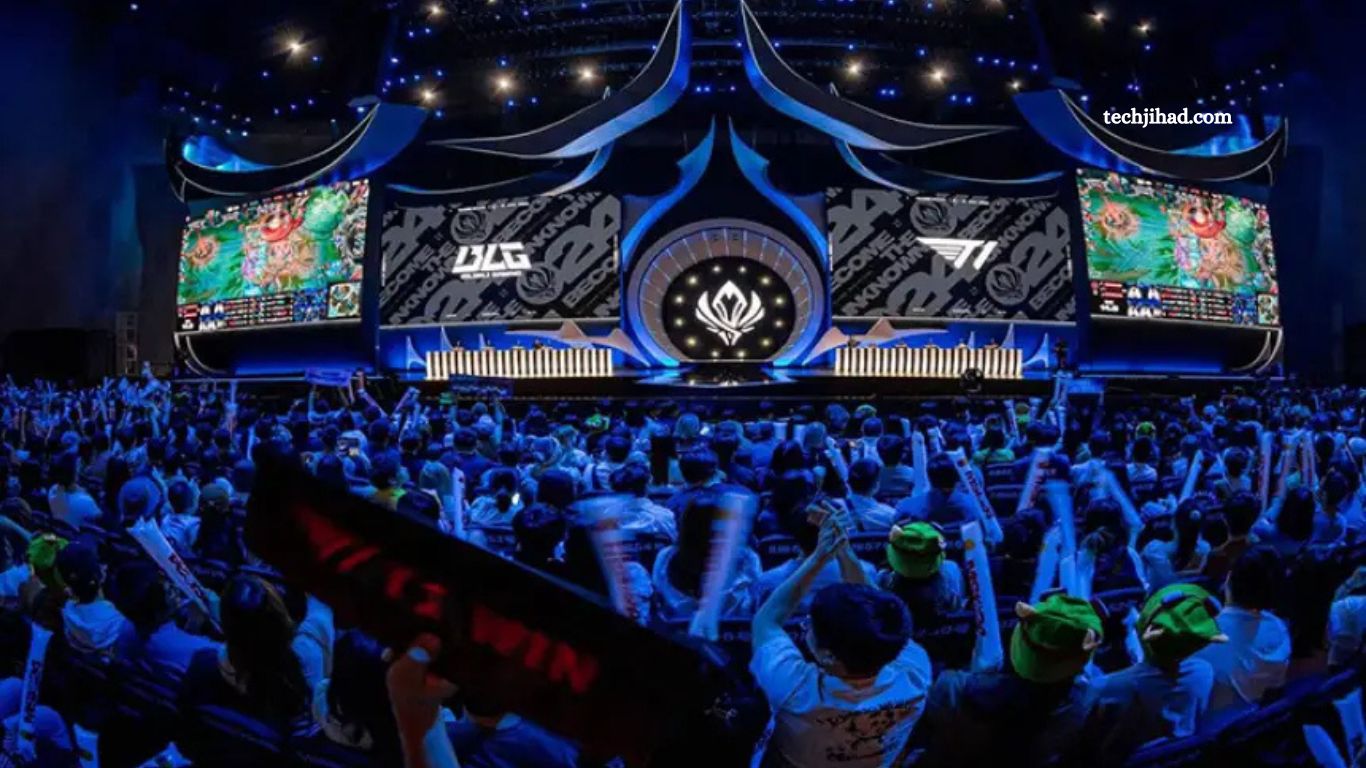
Esports and competitive gaming have evolved into a global phenomenon. From local tournaments to international championships, esports has transformed into a professional industry attracting millions of players, viewers, and investors worldwide.
Understanding the latest esports trends and competitive gaming developments is essential for gamers, fans, and industry professionals alike.
Read More: Gaming Setup and Performance Tips
Growth of the Esports Industry
The esports industry continues to experience rapid expansion. Global revenue exceeds billions annually, fueled by sponsorships, streaming platforms, merchandise, and ticket sales for live events. Major tournaments attract massive audiences,
With viewership rivaling traditional sports leagues. Games such as League of Legends, Dota 2, and Counter-Strike: Global Offensive dominate competitive scenes, while newer titles like Valorant and Call of Duty: Warzone gain prominence.
Popular Competitive Gaming Genres
Competitive gaming spans multiple genres, each with unique strategies and fan bases:
- MOBA (Multiplayer Online Battle Arena): Games like League of Legends lead in esports tournaments, emphasizing teamwork, strategy, and skill.
- FPS (First-Person Shooter): Titles such as Counter-Strike: Global Offensive and Valorant focus on precision, quick reflexes, and tactical play.
- Battle Royale: Games like Fortnite and PUBG highlight survival, adaptability, and large-scale competition.
- Sports Simulation: FIFA and NBA 2K offer realistic gameplay experiences, merging traditional sports and digital competition.
Technological Advancements Driving Esports
Technological innovation continues to shape competitive gaming. High-speed internet, advanced gaming hardware, and cloud-based platforms enhance gameplay performance and accessibility.
Streaming services like Twitch and YouTube Gaming enable real-time engagement, connecting players and audiences worldwide. Virtual reality (VR) and augmented reality (AR) technologies open new possibilities for immersive esports experiences.
Emerging Esports Trends
Several trends define modern esports landscapes:
- Mobile Esports Expansion: Mobile gaming sees significant competitive growth, particularly in regions like Southeast Asia.
- Cross-Platform Competition: Gamers now compete across consoles, PC, and mobile devices, increasing accessibility and player diversity.
- Professionalization: Teams operate like traditional sports organizations, with coaches, analysts, and dedicated training facilities.
- Sponsorship and Investment: Brands increasingly invest in esports, recognizing its potential for marketing and audience engagement.
- Global Tournaments: International events create opportunities for cross-cultural competition, talent discovery, and fan engagement.
Career Opportunities in Competitive Gaming
Esports offers diverse career paths beyond professional gaming. Opportunities include:
- Event management and production
- Streaming and content creation
- Coaching and analysis
- Game development and design
- Marketing and sponsorship management
These roles contribute to a thriving ecosystem, supporting growth and innovation across the industry.
Future of Esports
The future of esports remains bright. Growth continues across emerging markets, while technological advancements enhance gameplay and fan experiences.
Competitive gaming is expected to gain mainstream recognition as a legitimate profession, bridging the gap between digital entertainment and traditional sports.
Frequently Asked Questions
Which games are most popular in competitive gaming?
Popular esports games include League of Legends, Dota 2, Counter-Strike: Global Offensive, Valorant, Fortnite, PUBG, FIFA, and NBA 2K. Different genres attract different audiences and skill sets.
What are the emerging trends in esports?
Key trends include mobile esports growth, cross-platform competition, professionalization of teams, increased brand sponsorship, and global tournaments connecting players worldwide.
Can esports be a career?
Yes. Career opportunities include professional gaming, coaching, event management, content creation, marketing, and game development. Many esports organizations operate like traditional sports franchises.
How can beginners get started in competitive gaming?
Beginners can start by practicing popular esports titles, joining online communities, participating in amateur tournaments, streaming gameplay, and learning from professional players.
How is technology shaping esports?
High-speed internet, gaming hardware, cloud gaming, VR, AR, and streaming platforms enhance gameplay performance, audience engagement, and accessibility for competitive gaming globally.
Are esports recognized as legitimate sports?
Esports are increasingly recognized as professional sports due to structured leagues, sponsorships, large audiences, and international tournaments, though recognition varies by region and organization.
Conclusion
Esports and competitive gaming have grown into a dynamic, professional industry. Understanding the latest trends, technological developments, and career opportunities allows players, fans, and industry professionals to stay ahead.
