

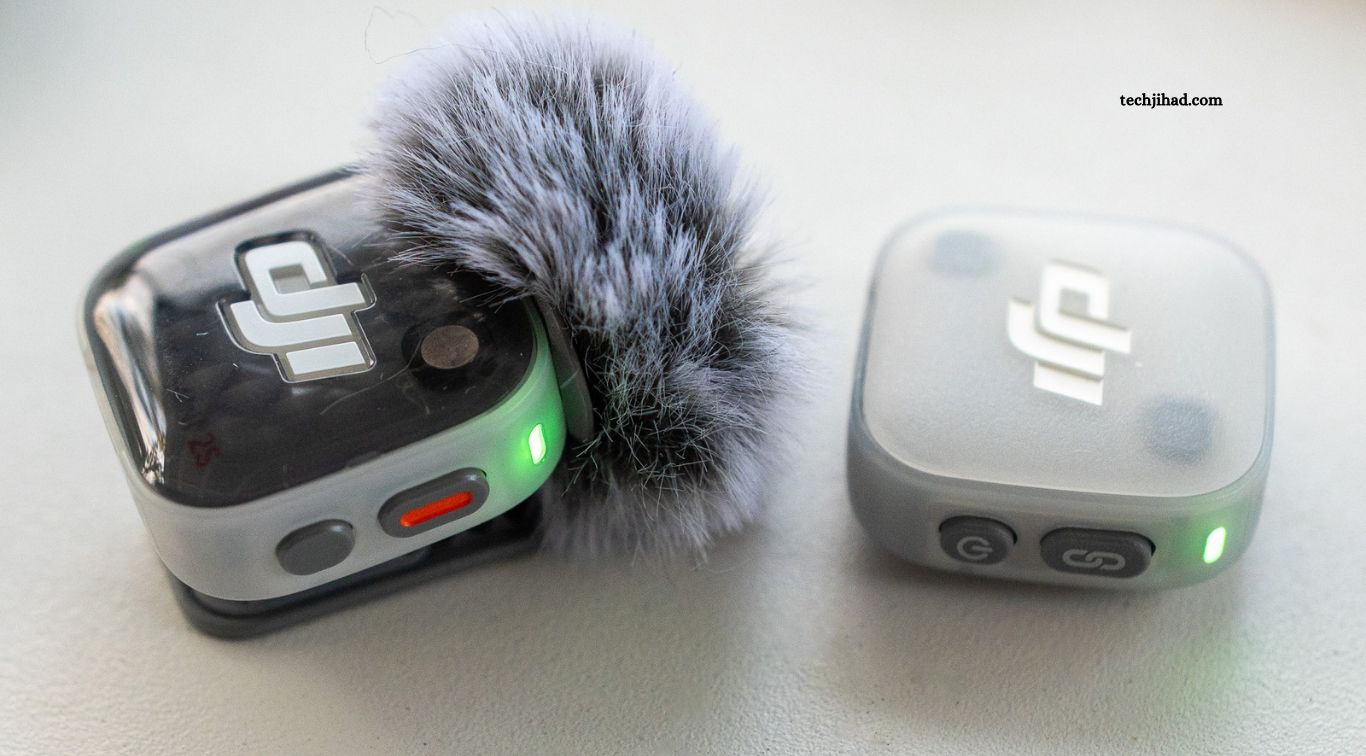
The DJI Mic Mini 2S brings advanced wireless audio features into a compact microphone system designed for content creators, vloggers, podcasters, and mobile filmmakers. Launched globally on August 4, 2026, the device adds internal recording, 32-bit float audio, improved AI noise cancellation, and support for up to four transmitters. Its main appeal is simple: creators can capture more dependable audio without carrying a bulky professional recording setup.
The new microphone builds on the compact design of DJI’s Mic Mini series while introducing features that help protect recordings in unpredictable environments. Whether filming street interviews, recording conversations, producing social media videos, or working on independent projects, users can benefit from its combination of portability and recording flexibility. DJI’s launch announcement highlights internal recording, multi-transmitter connectivity, and two levels of AI-powered noise cancellation as key upgrades.
Read More: Garmin Fenix 8 Pro Adds MicroLED to Its Adventure Watch
DJI Mic Mini 2S Introduces Professional Audio Features
The most important upgrade is internal recording, which allows the transmitter to save audio directly instead of relying entirely on a connected camera, smartphone, or receiver. This can be particularly valuable when wireless interference interrupts a connection or a recording device fails to capture the expected audio. According to DJI, the system supports 32-bit float internal recording and provides storage for up to 28 hours of 24-bit audio, giving creators a useful backup option during important shoots.
Internal recording can also make editing more flexible because creators have an additional audio source available during post-production. The 32-bit float format offers considerable flexibility when adjusting recording levels, especially when voices become unexpectedly louder or quieter. However, it does not eliminate every recording problem: microphone placement, background noise, distortion in the original signal, and poor acoustic conditions can still affect the final result.
Compact Design Makes Recording More Convenient
The DJI Mic Mini 2S maintains a lightweight design intended to remain discreet during recording. Each transmitter weighs approximately 12 grams, making it suitable for attaching to clothing without adding much weight. Clip and magnetic attachment options help users position the microphone near the speaker, while detachable magnetic front covers allow some customization to match different outfits and filming styles.
A smaller microphone kit can make a noticeable difference for creators who record while traveling, walking through busy locations, or filming spontaneous moments. Less equipment means fewer items to pack and fewer accessories to manage during setup. Nevertheless, users should check that the microphone is securely attached, positioned close enough to the speaker, and protected against wind when recording outdoors.
AI Noise Cancellation Helps Improve Voice Clarity
Background noise is one of the biggest challenges for people recording audio outside a controlled studio. Traffic, air conditioning, crowds, and nearby conversations can make speech difficult to understand, particularly when using a small wireless microphone. The DJI Mic Mini 2S offers two levels of AI noise cancellation designed to reduce unwanted environmental sounds while keeping the speaker’s voice clear.
This feature can help vloggers, journalists, interviewers, and social media creators produce more usable recordings in everyday locations. However, noise cancellation should not be treated as a complete replacement for good recording technique. Strong wind, very loud surroundings, or aggressive processing can still affect sound quality, so users should select the appropriate setting and monitor recordings whenever possible. SoundGuys’ coverage also identifies noise cancellation and internal 32-bit float recording as major improvements over the earlier model.
Four-Transmitter Support Expands Recording Options
The DJI Mic Mini 2S receiver can connect to as many as four transmitters, making the system more flexible for multi-person productions. This arrangement can support panel discussions, group interviews, podcasts, and videos featuring several speakers. Instead of relying on one microphone positioned between multiple people, creators can assign a transmitter to each participant and capture their voices more directly.
The system also offers cross-generation compatibility with selected DJI microphone products, which may help existing users expand their equipment without replacing everything. Compatibility depends on the specific transmitter or receiver, so buyers should verify supported combinations before purchasing additional accessories. For solo creators, a multi-transmitter setup may be unnecessary, but it gives growing production teams room to expand.
Battery Life and Internal Storage
Battery life is another important consideration for compact wireless audio systems. DJI advertises up to 11 hours of battery life for the transmitter, while a compatible charging case can extend the overall operating time to as much as 40 hours, depending on the configuration and usage conditions. This can make the system suitable for extended interviews, travel shoots, event coverage, and multiple recording sessions throughout the day.
The transmitter’s internal storage adds another layer of flexibility. Reviews report approximately 14.5GB of storage per transmitter, allowing creators to save recordings directly on the device. DJI’s advertised maximum of 28 hours applies to 24-bit recording; 32-bit float recording supports a shorter maximum duration. Users should therefore consider recording format, available storage, battery status, and backup procedures when planning longer sessions. TechRadar’s review provides additional details on recording capacity and battery performance.
DJI Mic Mini 2S Versus the Mic Mini 2
The DJI Mic Mini 2S is designed for creators who want more recording protection and greater flexibility than the standard Mic Mini 2 offers. The addition of internal recording, 32-bit float support, stronger noise cancellation, and four-transmitter connectivity gives the newer model a broader range of uses. These improvements may be especially valuable for people who regularly record interviews or work in locations where repeating a take would be difficult.
However, the upgraded model also comes at a higher price than the simpler version, and not every user needs its advanced capabilities. Someone recording occasional indoor videos may be satisfied with a basic wireless microphone, while a professional creator may appreciate the extra recording safeguards. The Mic Mini 2S also omits certain advanced production features found in higher-end systems, including onboard timecode and a more sophisticated receiver display. Digital Camera World notes its compact design and internal recording strengths alongside these compromises.
Who Should Consider Buying the DJI Mic Mini 2S?
The DJI Mic Mini 2S may be a strong option for vloggers, online educators, journalists, podcasters, and independent filmmakers who need dependable sound in a portable package. Its internal recording can provide an additional safeguard for important interviews, while AI noise cancellation may help when recording outside a studio. Multi-transmitter support also makes it appealing to creators who expect to produce more group content over time.
Buyers should compare the complete kit, included accessories, device compatibility, warranty, and local pricing before making a purchase. Smartphone users should confirm that they have the appropriate receiver or connection accessory for their device. Availability and prices can differ across markets, so the advertised price in one country should not be assumed to apply in Pakistan or elsewhere. Those who need timecode synchronization, advanced receiver controls, or extensive professional monitoring may prefer a higher-tier microphone system.
Why Compact Wireless Microphones Matter for Creators
Clear audio is essential to making videos comfortable to watch. Viewers may tolerate simple lighting or modest camera quality, but unclear speech and distracting background noise can quickly reduce the impact of an otherwise useful video. Compact wireless microphones make it easier to capture voices close to the source, improving consistency compared with relying solely on a camera’s built-in microphone.
The DJI Mic Mini 2S reflects a wider trend toward bringing selected professional recording tools into smaller and more accessible products. Internal backup recording, flexible audio levels, and noise reduction can help creators focus on storytelling instead of worrying about every technical detail. Even so, the best results still depend on careful microphone placement, sensible recording levels, and listening back to the footage before publishing.
Frequently Asked Questions
What is the DJI Mic Mini 2S?
It is a compact wireless microphone system featuring internal recording, 32-bit float audio, AI noise cancellation, and support for up to four transmitters.
When did the DJI Mic Mini 2S launch?
DJI announced its global launch on August 4, 2026.
Does the DJI Mic Mini 2S record audio internally?
Yes. Its transmitter includes internal storage and supports 32-bit float recording, providing a backup independent of the connected device.
How many transmitters can connect to one receiver?
One compatible receiver can connect to as many as four transmitters, depending on the supported configuration.
How long does the battery last?
DJI advertises up to 11 hours per transmitter and up to 40 hours with a compatible charging case.
Is the DJI Mic Mini 2S worth buying?
It may be worthwhile for creators who need internal recording, improved noise cancellation, and multi-person support in a compact kit.
Conclusion
The DJI Mic Mini 2S combines a lightweight design with features that can make wireless audio recording more reliable. Internal 32-bit float recording, AI noise cancellation, extended battery options, and support for up to four transmitters give it advantages for vloggers, interviewers, podcasters, and independent filmmakers. Although it lacks some advanced production features found in premium systems, it offers a useful balance of portability and capability. Creators should compare their recording needs, device compatibility, and local pricing before deciding whether the upgrade is worthwhile.
