

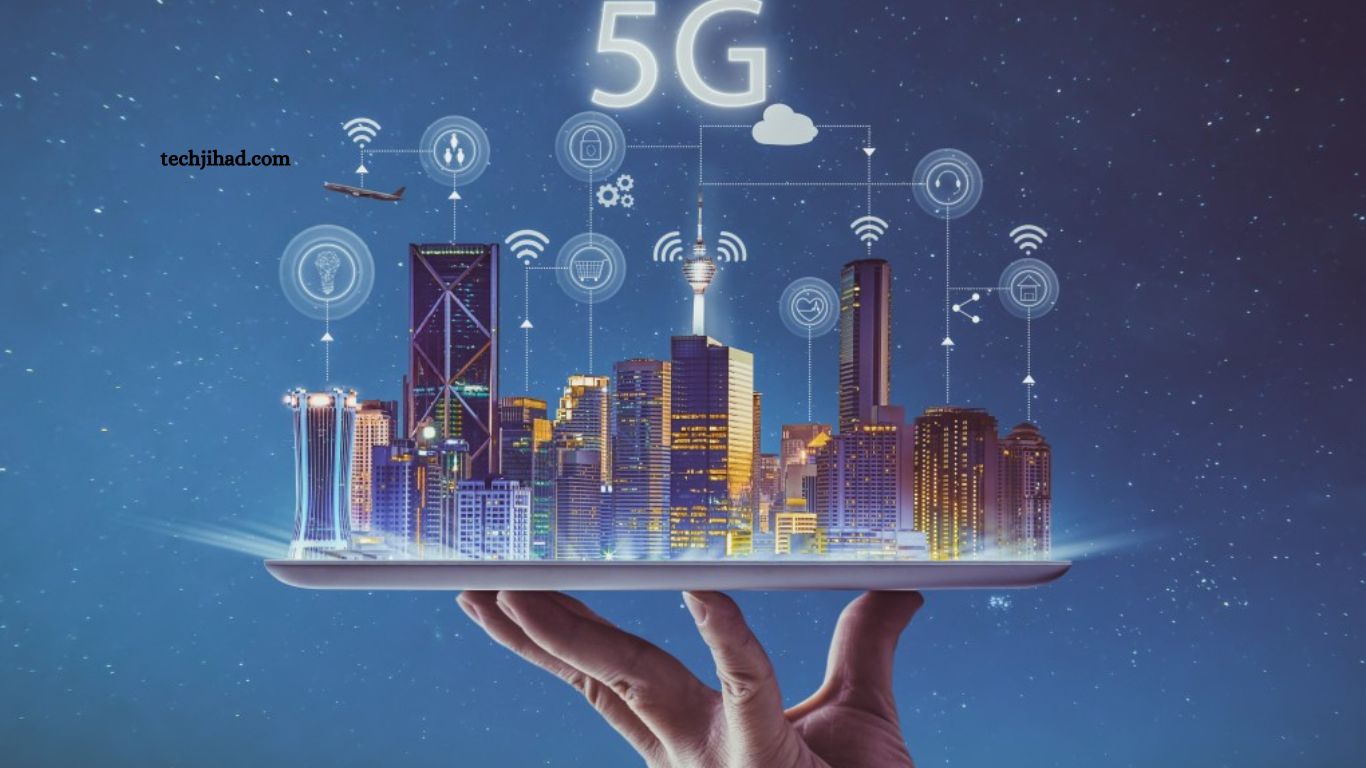
Digital transformation continues at a rapid pace, and 5G technology stands at the center of this revolution. Faster speeds, lower latency, and greater network capacity are reshaping communication, business operations, healthcare, entertainment, and industrial automation.
As countries expand 5G infrastructure, global connectivity enters a new era driven by efficiency and innovation. This article explores how 5G technology is changing global connectivity and why this advancement matters for businesses, consumers, and economies worldwide.
Read More: Top Tech Startups Revolutionizing the Industry
What Is 5G Technology?
5G represents the fifth generation of wireless communication networks. Unlike previous generations, 5G delivers ultra-fast internet speeds, reduced delays, and support for billions of connected devices. This next-generation network creates opportunities for smart cities, autonomous vehicles, artificial intelligence, and advanced industrial systems.
Key features include:
- High-speed data transfer
- Ultra-low latency
- Increased network capacity
- Improved reliability
- Better support for Internet of Things (IoT) devices
These capabilities enable seamless digital experiences across various industries.
Faster Internet Speeds Transform Communication
One major advantage of 5G technology involves exceptional speed. Downloading large files, streaming ultra-high-definition videos, and participating in video conferences become smoother and more efficient.
Benefits include:
- Faster downloads and uploads
- Improved video quality
- Enhanced remote collaboration
- Reduced buffering during streaming
- Better online gaming experiences
Businesses and consumers gain access to reliable communication without interruptions.
Smart Cities Become Reality
5G technology supports smart city development through interconnected devices and real-time data sharing. Governments and urban planners use advanced networks to improve public services and infrastructure management.
Applications include:
- Intelligent traffic management
- Smart street lighting
- Energy optimization systems
- Waste management solutions
- Public safety monitoring
These innovations increase efficiency while improving the quality of life for residents.
Revolutionizing Healthcare Services
Healthcare systems benefit significantly from 5G connectivity. Medical professionals can access patient information instantly and provide better treatment through advanced digital tools.
Important applications include:
Telemedicine
Doctors conduct virtual consultations with improved video quality and reduced delays.
Remote Surgery
Low latency allows robotic systems to assist surgeons with precision.
Wearable Devices
Connected devices monitor heart rate, blood pressure, and other health indicators in real time.
Emergency Response
Fast communication enables quicker diagnosis and treatment during emergencies. These advancements improve healthcare accessibility across remote and underserved regions.
Accelerating Industrial Automation
Manufacturing industries rely increasingly on automation and smart technologies. 5G networks enable machines and systems to communicate instantly.
Industrial benefits include:
- Predictive maintenance
- Real-time monitoring
- Increased productivity
- Reduced downtime
- Improved operational efficiency
Factories equipped with connected systems achieve higher output and lower operational costs.
Expanding Internet of Things (IoT) Ecosystems
Billions of devices connect through IoT networks. Traditional systems struggle with large numbers of connections, while 5G provides sufficient capacity for massive device communication.
Examples include:
- Smart homes
- Connected appliances
- Industrial sensors
- Agricultural monitoring systems
- Environmental tracking devices
This connectivity creates smarter environments and more efficient resource management.
Enhancing Remote Work and Education
Digital workplaces and online learning platforms depend heavily on stable internet connections. 5G technology improves virtual experiences by providing high-speed access and minimal delays.
Advantages include:
- Seamless video conferencing
- Faster cloud access
- Improved collaboration tools
- Better virtual classrooms
- Enhanced productivity
Remote workers and students benefit from uninterrupted communication and access to digital resources.
Supporting Autonomous Vehicles
Self-driving vehicles require instant communication between sensors, vehicles, and traffic systems. 5G networks provide the speed and responsiveness necessary for safe operations.
Capabilities include:
- Vehicle-to-vehicle communication
- Real-time navigation updates
- Traffic management integration
- Enhanced road safety
- Reduced transportation delays
These developments contribute to smarter transportation systems worldwide.
Transforming Entertainment and Gaming
Entertainment industries leverage 5G capabilities to deliver immersive experiences. Consumers enjoy improved access to digital content with higher quality and lower latency.
Popular applications include:
- Cloud gaming
- Virtual reality experiences
- Augmented reality applications
- Ultra-HD video streaming
- Interactive live events
Content creators and media companies benefit from faster content delivery and better audience engagement.
Economic Growth and Business Innovation
5G technology drives economic development by enabling innovation across multiple sectors. Businesses invest in digital transformation to improve competitiveness and efficiency.
Economic impacts include:
- Increased productivity
- New business opportunities
- Expansion of digital services
- Job creation
- Higher investment in technology sectors
Countries with advanced 5G infrastructure position themselves for long-term economic growth.
Challenges Facing Global 5G Adoption
Despite numerous advantages, several challenges remain:
- High infrastructure costs
- Limited coverage in rural regions
- Security concerns
- Spectrum availability issues
- Regulatory complexities
Governments, technology companies, and telecommunications providers continue addressing these obstacles to ensure broader adoption.
Future Outlook of 5G Connectivity
5G technology represents more than faster internet. It serves as a foundation for future innovations involving artificial intelligence, smart industries, connected devices, and advanced communication systems.
Continued expansion will strengthen digital ecosystems and unlock opportunities across healthcare, transportation, education, manufacturing, and entertainment sectors.
Frequently Asked Questions
What is 5G technology?
5G is the fifth-generation mobile network offering faster speed, lower delay, and higher device connectivity.
How is 5G faster than 4G?
5G delivers higher data rates, enabling quicker downloads, smooth streaming, and instant communication.
Why is 5G important for global connectivity?
5G improves communication quality and supports large-scale digital networks across the world.
What industries benefit most from 5G?
Healthcare, transport, manufacturing, education, and entertainment gain major improvements.
Does 5G support smart devices?
Yes, 5G connects billions of IoT devices with stable and fast communication.
Is 5G safe to use?
Yes, 5G follows international safety standards and is widely tested for public use.
Conclusion
5G technology is changing global connectivity through faster communication, smarter infrastructure, and enhanced digital experiences. Industries worldwide are embracing new possibilities driven by speed, reliability, and real-time data exchange. As deployment expands, 5G will continue shaping economies, businesses, and everyday life, creating a more connected and technologically advanced world.
