

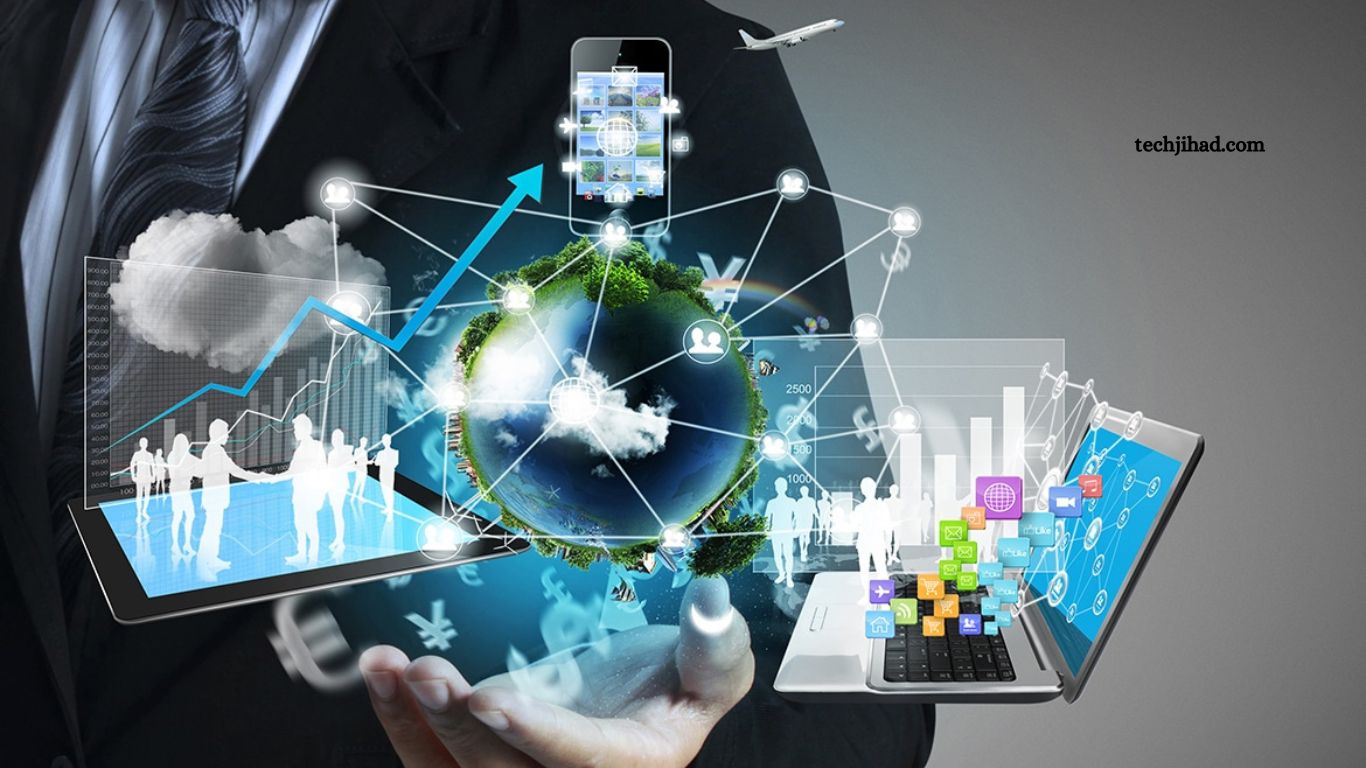
Technology evolution continues accelerating across industries, economies, workplaces, healthcare systems, education platforms, and daily lifestyles. Emerging innovations reshape communication methods, business operations, consumer expectations, and problem-solving approaches. Organizations adopting transformative technologies gain competitive advantages through efficiency, productivity, security, and improved customer experiences.
Understanding future-focused technology trends helps businesses, professionals, entrepreneurs, and students prepare for upcoming opportunities and challenges. Several groundbreaking developments already influence global markets and promise even greater impact during the coming years.
Read More: Mistakes to Avoid When Applying for Jobs
Artificial Intelligence Revolution
Artificial Intelligence remains among the most influential technology trends driving future transformation. AI-powered systems analyze massive datasets, automate repetitive processes, generate insights, and support strategic decision-making.
Key applications include:
- Predictive analytics for business intelligence
- Virtual assistants are improving customer support
- AI-driven healthcare diagnostics
- Personalized recommendations across digital platforms
- Intelligent automation within manufacturing environments
Businesses integrating AI solutions enhance operational efficiency while reducing costs and improving service quality.
Expansion of Generative AI
Generative AI introduces new possibilities for content creation, software development, marketing campaigns, and design innovation. Advanced models generate text, images, videos, and code with remarkable accuracy.
Benefits include:
- Faster content production
- Improved creative workflows
- Enhanced productivity across teams
- Streamlined software development processes
- Personalized customer engagement strategies
Organizations increasingly explore generative technologies to strengthen competitiveness within digital markets.
Growth of Cybersecurity Technologies
Digital transformation increases vulnerability to cyber threats. Consequently, cybersecurity innovation becomes essential for protecting sensitive information and maintaining business continuity.
Emerging cybersecurity trends involve:
- Zero-trust security frameworks
- AI-powered threat detection
- Biometric authentication systems
- Cloud security advancements
- Real-time monitoring capabilities
Strong cybersecurity investments safeguard organizational assets while preserving customer trust.
Internet of Things Integration
Internet of Things technology connects devices, machines, sensors, and infrastructure through intelligent networks. Connected ecosystems improve data collection, monitoring capabilities, and automation efficiency.
IoT applications include:
- Smart home environments
- Industrial equipment monitoring
- Healthcare wearables
- Connected transportation systems
- Precision agriculture solutions
Increasing connectivity supports enhanced convenience, productivity, and resource optimization.
5G Network Advancement
Fifth-generation wireless technology delivers faster connectivity, lower latency, and improved network reliability. Enhanced communication infrastructure enables widespread adoption of innovative digital solutions.
Potential outcomes include:
- Improved remote collaboration experiences
- Expansion of smart city initiatives
- Enhanced autonomous vehicle communication
- Better streaming performance
- Greater support for connected devices
5G infrastructure creates foundations supporting future technological breakthroughs.
Blockchain Beyond Cryptocurrency
Blockchain technology extends beyond digital currencies through secure, transparent, and decentralized record management capabilities.
Emerging use cases involve:
- Supply chain verification
- Digital identity management
- Smart contracts
- Healthcare data security
- Financial transaction transparency
Organizations increasingly recognize blockchain’s potential for improving accountability and reducing fraud risks.
Rise of Quantum Computing
Quantum computing represents a significant leap beyond traditional computing limitations. Quantum systems process complex calculations at extraordinary speeds, enabling solutions previously considered impractical.
Future applications may include:
- Drug discovery acceleration
- Climate modeling improvements
- Financial risk analysis
- Advanced scientific research
- Logistics optimization
Although development remains ongoing, quantum innovation promises substantial long-term impact.
Sustainable Technology Innovation
Environmental responsibility influences technological development priorities. Sustainable technologies support energy efficiency, waste reduction, and resource conservation efforts.
Important advancements include:
- Green data centers
- Renewable energy integration
- Energy-efficient hardware design
- Carbon tracking solutions
- Smart resource management systems
Businesses embracing sustainability strengthen reputation while contributing toward environmental goals.
Augmented Reality and Virtual Reality Adoption
Immersive technologies continue expanding across entertainment, education, healthcare, retail, and workforce training environments.
Practical applications include:
- Interactive learning experiences
- Virtual product demonstrations
- Medical simulation training
- Enhanced gaming environments
- Remote collaboration solutions
AR and VR technologies redefine user engagement through realistic digital experiences.
Robotics and Intelligent Automation
Robotics development transforms manufacturing, logistics, healthcare, and service industries. Intelligent automation improves accuracy, consistency, and productivity.
Common implementations involve:
- Warehouse automation systems
- Surgical assistance technologies
- Autonomous delivery solutions
- Industrial production support
- Customer service robotics
Organizations utilizing robotic technologies improve operational performance while addressing labor shortages.
Frequently Asked Questions
What is the most important technology trend today?
Artificial Intelligence leads innovation across multiple industries.
How does 5G technology benefit users?
5G provides faster speeds and lower network latency.
Why is cybersecurity becoming essential?
Cybersecurity protects data from increasing digital threats.
What role does blockchain play beyond cryptocurrency?
Blockchain improves transparency, security, and record management.
How does the Internet of Things impact daily life?
IoT connects devices to enhance convenience and efficiency.
Why should businesses monitor technology trends?
Technology awareness supports innovation and long-term competitiveness.
Conclusion
Technology trends shaping future landscapes present extraordinary opportunities for innovation, growth, and societal advancement. Artificial intelligence, cybersecurity, blockchain, IoT, quantum computing, immersive experiences, and sustainable solutions collectively redefine modern civilization.
