

Non-emergency medical transportation plays an important role in helping patients reach healthcare facilities safely and on time. People who need regular medical appointments, therapy sessions, rehabilitation, dialysis, or other healthcare services may depend on reliable transportation providers.
For NEMT companies, managing these services requires more than simply arranging rides. Dispatchers need to coordinate passengers, drivers, vehicles, pickup times, destinations, recurring appointments, and route schedules. As the number of daily trips increases, handling everything manually can become difficult.
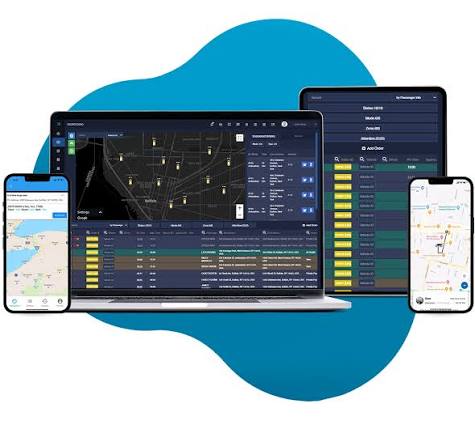
Non-emergency medical transportation scheduling software can help providers organize these activities through a centralized platform. Modern NEMT systems can support trip scheduling, recurring reservations, driver assignments, dispatching, route planning, GPS tracking, billing, and reporting.
With many solutions available, transportation providers should carefully compare their options before choosing a platform. Here are eight NEMT scheduling software platforms worth considering.
Why NEMT Scheduling Software Is Important
NEMT scheduling can become complicated when transportation providers manage multiple passengers and drivers at the same time. A single change to an appointment can affect a driver’s schedule, vehicle availability, and other trips.
Manual scheduling can also require significant administrative work. Dispatchers may need to update spreadsheets, contact drivers, change trip details, and maintain separate records.
A dedicated scheduling platform can bring these activities together. Dispatchers can view scheduled trips, assign drivers, update reservations, and monitor transportation activity from one place.
The right software can also help reduce scheduling conflicts and improve communication between office staff and drivers.
RouteGenie
RouteGenie is an NEMT transportation management platform that provides scheduling, dispatching, routing, billing, and driver management capabilities.
Its scheduling tools can help providers organize recurring and one-time transportation requests. Dispatchers can manage trip information while coordinating available drivers and vehicles.
Route optimization can also help providers create more efficient schedules when several passengers need transportation during the same period.
RouteGenie may be particularly useful for growing NEMT companies that need a comprehensive platform capable of supporting increasing trip volumes.
MediRoutes
MediRoutes is designed specifically for transportation management and provides tools for scheduling, dispatching, routing, billing, and reporting.
The platform can help NEMT providers organize recurring medical transportation and individual trips.
Centralized scheduling allows transportation teams to keep important trip details in one system. This can reduce reliance on spreadsheets and manual records.
MediRoutes can also support administrative activities through billing and reporting capabilities.
For established NEMT providers looking for a combination of scheduling and transportation management features, MediRoutes can be worth considering.
Bambi
Bambi is an NEMT software solution focused on simplifying scheduling and transportation management.
Its capabilities can include scheduling, dispatching, route planning, billing, and driver coordination.
The platform may be suitable for small and mid-sized NEMT providers that want to modernize their scheduling processes without creating unnecessary complexity.
A centralized system can help dispatchers maintain a clearer overview of daily trips and make changes when passenger or driver requirements change.
Bambi can be considered by providers that value an easy-to-manage transportation workflow.
TripMaster
TripMaster is a transportation management platform used for NEMT, paratransit, and demand-response transportation.
Its capabilities include reservations, scheduling, dispatching, passenger management, billing, and reporting.
The platform can be useful for organizations that operate several types of specialized transportation services.
TripMaster may be especially relevant for larger organizations with complex scheduling requirements and a high volume of transportation requests.
Its broader transportation functionality can help providers manage reservations, drivers, vehicles, and passengers through one centralized system.
Tobi Cloud
Tobi Cloud is a cloud-based transportation management platform that supports NEMT and other specialized transportation operations.
The platform can provide scheduling, dispatching, driver management, billing, and transportation coordination tools.
Cloud-based access can provide flexibility for transportation teams that need to work with scheduling information from different locations.
This can be useful for organizations with multiple dispatchers, administrative employees, or transportation operations.
Tobi Cloud may be a good option for providers looking for centralized scheduling combined with cloud-based accessibility.
RoutingBox
RoutingBox provides transportation management features that include scheduling, dispatching, routing, billing, and reporting.
Route planning is particularly important for NEMT providers because vehicles may need to complete several trips throughout the day.
RoutingBox can help dispatchers organize pickup and drop-off information and coordinate available drivers.
Its combination of scheduling and routing capabilities can help transportation companies manage daily transportation more efficiently.
The platform may be worth evaluating for providers that want scheduling and route management functionality in one system.
NEMT Cloud Dispatch
NEMT Cloud Dispatch is designed specifically for non-emergency medical transportation providers.
Its functionality can include trip scheduling, dispatching, GPS tracking, route management, billing, and driver coordination.
The platform can help transportation teams centralize trip information and provide dispatchers with better visibility into active transportation services.
GPS tracking can help staff monitor vehicle locations and identify potential delays.
For smaller and growing NEMT providers, the platform can provide a dedicated environment for managing transportation schedules and dispatch operations.
TripSpark
TripSpark provides transportation management technology for NEMT, paratransit, and demand-response operations.
Its capabilities can include scheduling, dispatching, passenger management, reporting, and transportation planning.
The platform can be useful for organizations that need to manage complex transportation schedules or operate multiple specialized transportation programs.
TripSpark can help transportation teams coordinate passenger trips while maintaining centralized operational information.
It may be particularly suitable for larger transportation organizations that require broader transportation management capabilities.
Key Features to Look For
Recurring Trip Scheduling
Many NEMT passengers require transportation on a regular basis. Software should make it easy to create and manage recurring trips without repeatedly entering the same information.
Driver Assignment
Scheduling tools should help dispatchers assign trips to appropriate drivers based on availability and transportation requirements.
Vehicle Management
The software should provide visibility into available vehicles and help prevent scheduling conflicts.
Route Optimization
Route optimization can help providers create efficient schedules by considering pickup locations, destinations, appointment times, and vehicle availability.
Real-Time Updates
Transportation schedules can change throughout the day. The software should allow dispatchers to quickly update trips, drivers, and vehicle assignments.
GPS Tracking
GPS tracking can provide visibility into active vehicles and help dispatchers monitor trip progress.
Driver Mobile Apps
A driver application can provide access to schedules, passenger information, navigation, trip status updates, and communication tools.
Billing and Reporting
Billing features can reduce manual administrative work, while reporting tools can help managers understand trip volume, mileage, cancellations, driver performance, and vehicle utilization.
How to Choose the Right NEMT Scheduling Platform
The best scheduling software depends on the transportation provider’s individual requirements.
Small NEMT businesses may prioritize affordability, simplicity, and basic scheduling features. Growing companies may need advanced routing, GPS tracking, driver applications, automated billing, and integrations.
Larger providers may require more advanced capabilities such as broker integrations, multiple-location management, detailed analytics, customizable workflows, and extensive reporting.
Ease of use should also be an important consideration. Dispatchers and drivers will interact with the software regularly, so a complicated interface can reduce productivity.
Providers should also evaluate customer support, implementation, training, security, integrations, scalability, and total cost before selecting a platform.
It is useful to test the software using realistic transportation scenarios. This can help determine whether the scheduling workflow actually matches the company’s daily operations.
Benefits of Moving Away From Manual Scheduling
Switching from spreadsheets and paper-based processes to dedicated NEMT software can provide several operational benefits.
A centralized scheduling system can reduce duplicate data entry and make important trip information easier to access.
Automated scheduling and dispatching can also reduce repetitive work for office staff. Better route planning can help providers make more efficient use of vehicles and drivers.
Improved communication can help drivers receive updated trip information more quickly, while reporting tools can give managers better insight into business performance.
Over time, these improvements can contribute to a more organized and scalable transportation operation.
Final Thoughts
NEMT scheduling software can help transportation providers manage increasingly complex transportation operations while reducing manual administrative work.
RouteGenie, MediRoutes, Bambi, TripMaster, Tobi Cloud, RoutingBox, NEMT Cloud Dispatch, and TripSpark are eight platforms that providers can consider when evaluating scheduling technology.
Every transportation company has different requirements, so there is no universal solution for every NEMT provider. Fleet size, trip volume, budget, workflow, integrations, and future growth should all influence the final decision.
The ideal scheduling platform should make it easier to organize recurring appointments, assign drivers, manage vehicles, optimize routes, communicate with drivers, and maintain accurate transportation records.
By choosing software that matches their operational needs, NEMT providers can create a more organized scheduling process and build a stronger foundation for future growth.
For any backlink contact: zanymposting{at}gmail(dot)com
