

Why the Right Carpet Matters in a Dubai Home
A Dubai Carpet can change the whole feel of a room, turning hard floors into a soft, welcoming space. In a city where homes range from compact apartments to large villas, the right carpet adds warmth, quiets footsteps, and ties the furniture together. Yet many buyers pick in a hurry, guided only by colour, and discover later that it sheds, stains easily, or does not suit the room. This guide explains how to choose well, from materials and pile to fitting and care.
Before looking at samples, think about how each room is actually used, because a Dubai Carpet for a quiet bedroom faces very different demands from one in a busy family living room. Bedrooms suit soft, deep-pile carpets that feel gentle under bare feet, while living rooms need a tougher pile for sofas, coffee tables, and children playing on the floor. Hallways and entrances take the most punishment from shoes, dust, and daily traffic, so durability matters more than softness there. Matching the carpet to the room is the first decision, and it shapes every choice that follows.
Carpet Materials That Suit Dubai Living
Material is the next question, and each fibre has its own strengths. Wool is the classic choice for a Dubai Carpet, because it feels luxurious, holds its shape, and resists crushing, though it costs more and needs gentle cleaning. Nylon is a practical alternative, strong and stain-resistant, which makes it popular for family homes and rentals. Polyester offers softness and bright colours at a lower price, but it can flatten in busy spots over time. Natural fibres like sisal bring texture and a relaxed look, yet they dislike moisture, so they suit dry rooms, not kitchens or bathrooms.
Dubai's climate adds its own twist. Air conditioning keeps indoor temperatures steady, but fine desert dust still finds its way inside, so a Dubai Carpet with a tight, low pile is often easier to keep clean than a very deep shaggy one. Lighter colours show dust less in bright rooms, while darker tones hide marks but can shrink a small room. If your home has large windows and strong sunlight, ask about fade resistance, because some dyes fade after years of direct sun. A good carpet shop will show you samples in natural light and explain how each material behaves locally.
Choosing Colours and Patterns
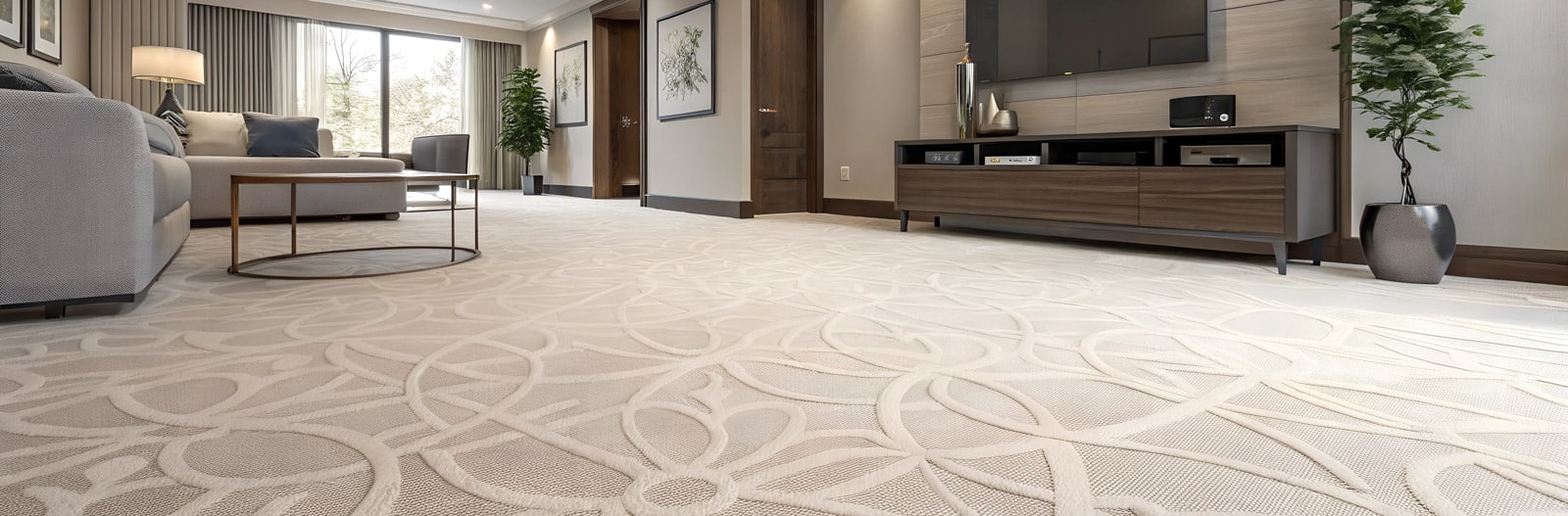
Colour and pattern do more than decorate; they set the mood of the whole room. A Dubai Carpet in a neutral shade, warm beige, soft grey, or light cream, creates a calm base that lets furniture and artwork stand out, and it is easy to live with for years. Bolder patterns and deeper colours can define a large living room or a majlis, where the carpet becomes the centrepiece. Small rooms look bigger with plain or subtly textured carpets, while patterns hide everyday marks in a busy household. Bring a fabric swatch or a photo of your room when you shop, to see how it works with what you already own.
Wall-to-Wall Carpet vs Rugs and Runners
The choice between wall-to-wall carpet and loose rugs depends on the room and your lifestyle. A fitted Dubai Carpet covers the whole floor, feels seamless underfoot, and helps insulate the room, which suits bedrooms and large living areas. Rugs and runners are more flexible: you can move them, clean them separately, and change them when you redecorate, which appeals to renters. Many Dubai homes use both, with fitted carpet in bedrooms and a large rug anchoring the seating area. Stair runners add grip and quiet to steps while protecting the edges from wear.
Stair Carpets and High-Traffic Areas
Stairs deserve special attention, because a Dubai Carpet on stairs must grip well, resist wear on the tread edges, and stay firmly fixed. A low, dense pile works best, since deep pile can feel spongy and wear unevenly on step noses. Patterned stair carpet is a smart choice, because the design disguises the scuffs and dust that collect on steps. Professional fitting matters even more here: a poorly fitted stair carpet can wrinkle or slip, which is unsightly and unsafe. Ask the fitter how the carpet will be secured on each step and whether underlay will be used.
Professional Fitting Makes the Difference
Even the best carpet looks poor if it is fitted badly, so professional installation is worth every dirham. A skilled Dubai Carpet fitter measures carefully, plans seams so they fall in the least visible places, and stretches the carpet tight so it never ripples. Underlay is part of the job too: a good underlay adds comfort, extends the carpet's life, and improves sound insulation between floors. Before the fitter arrives, clear the room and decide where heavy furniture will go, because moving it later risks creasing a fresh carpet. A reputable shop will explain the fitting process, give a clear timeline, and return to fix any issue.
Keeping Your Carpet Clean in a Desert City
Once the carpet is down, simple habits keep it looking new. Vacuum a Dubai Carpet at least twice a week, more often in entrance areas, and use a vacuum with a beater bar only if the care label allows it. Deal with spills straight away by blotting, never rubbing, and keep a stain guide handy for coffee or juice. In a desert city, a doormat at every entrance and a no-shoes rule indoors cut the dust dramatically. A professional deep clean once or twice a year lifts the dirt vacuuming leaves behind and refreshes the pile.
A Simple Checklist Before You Buy
Buying a carpet is simple when you work through a short checklist: measure the room, note how the space is used, choose a material that fits your budget and lifestyle, check pile height and fade resistance, and confirm fitting and aftercare in writing. A trusted Dubai Carpet shop will welcome those questions and help you compare samples without pressure. Take your time, compare two or three options at home in daylight, and pick the carpet that feels right underfoot and looks right in the room. To explore premium carpets, stair carpets, carpet flooring, and custom rugs with professional installation in Al Quoz, Dubai, visit https://www.carpetshopdubai.com/ and see how the right carpet can transform your home.
