

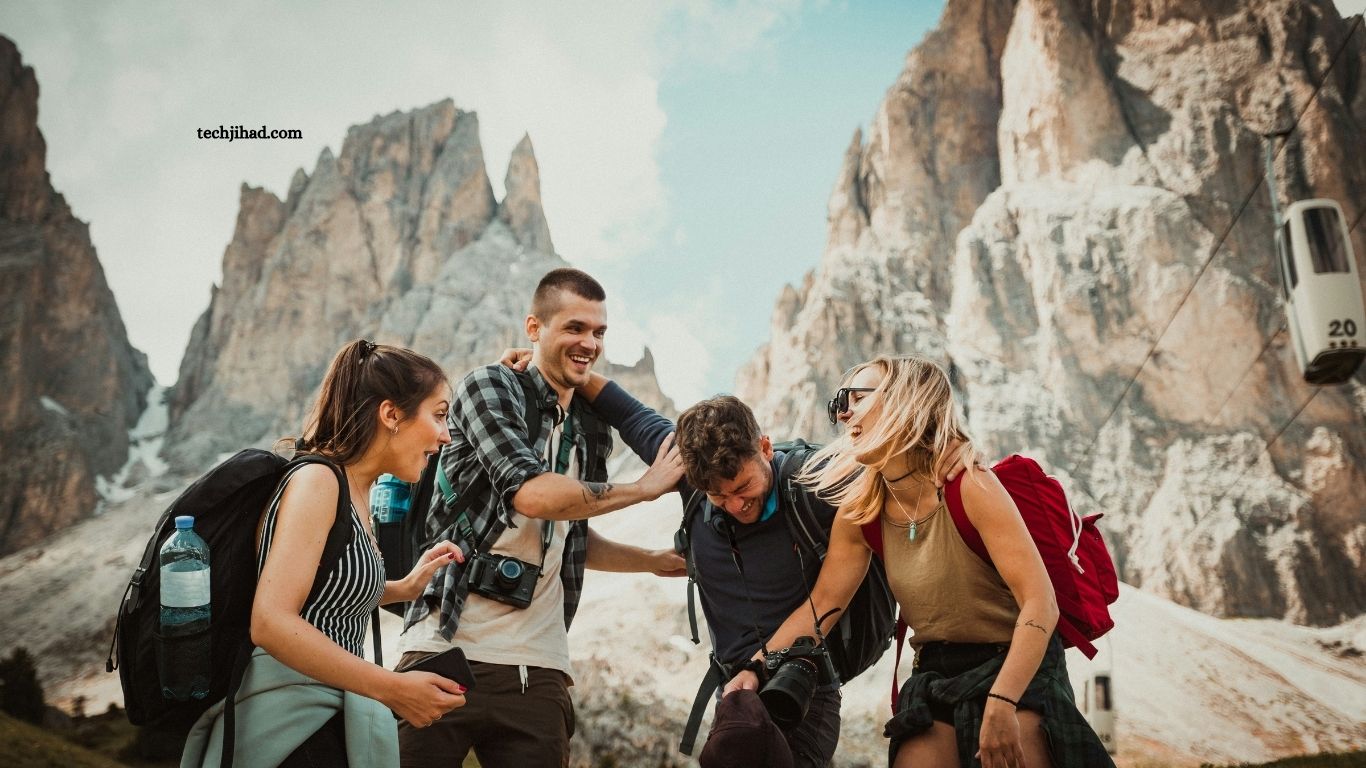
Traveling does not always require a large budget. Smart planning, flexible choices, and careful spending can make almost any trip more affordable. From choosing cheaper transportation to finding comfortable accommodation, small decisions can create significant savings without taking away from the travel experience.
Budget travel focuses on getting better value from every expense. Travelers can reduce unnecessary costs by comparing prices, traveling during less expensive periods, preparing meals, using public transportation, and choosing experiences that offer genuine value. With the right strategy, saving money can become part of the travel planning process rather than a restriction.
Read More: Best Travel Destinations to Visit in 2026
Plan Your Trip Early
Early planning often creates more opportunities to save money. Flights, hotels, trains, and popular activities may become more expensive as the travel date approaches. Booking important travel arrangements in advance can help secure better prices.
Start by setting a realistic travel budget. Estimate transportation, accommodation, food, activities, shopping, travel insurance, and emergency expenses. A clear budget makes it easier to identify unnecessary spending before the trip begins.
Travel During the Off-Season
Traveling during peak periods can significantly increase costs. School holidays, major festivals, summer vacations, and popular event dates usually bring higher prices for flights and accommodation.
Choosing an off-season or shoulder-season trip can provide better deals while offering a quieter travel experience. Many destinations remain enjoyable outside their busiest months, with fewer crowds and lower prices.
Compare Flight Prices
Airfare can represent one of the largest travel expenses. Comparing prices across different airlines and travel dates can help travelers find cheaper options.
Flexible travel dates can make a major difference. A flight departing one day earlier or later may cost considerably less. Travelers can also compare nearby airports, round-trip options, and different departure times before making a booking.
Avoid choosing a flight based only on the ticket price. Baggage charges, seat fees, airport transfers, and other additional costs can change the final amount.
Choose Affordable Accommodation
Hotels are not the only accommodation option. Hostels, guesthouses, vacation rentals, budget hotels, homestays, and apartment-style properties can provide comfortable alternatives.
Location also matters. A cheaper hotel far from major attractions may create additional transportation expenses. Sometimes paying slightly more for accommodation near public transportation or central attractions results in lower overall costs.
Read recent reviews before booking. A low room rate is less valuable if the property has poor service, inconvenient transportation, or unexpected charges.
Use Public Transportation
Public transportation is often one of the easiest ways to reduce travel expenses. Buses, trains, metro systems, and shared transportation usually cost less than taxis or private transfers.
Research local transportation before arriving. Check daily passes, tourist passes, reloadable cards, and regional travel tickets. These options can provide better value for travelers planning several journeys.
Walking is another excellent option. Exploring nearby attractions on foot saves money while allowing travelers to discover local neighborhoods, markets, parks, and cultural areas.
Eat Like a Local
Food expenses can quickly increase when traveling. Eating every meal at tourist restaurants can place significant pressure on a travel budget.
Local restaurants, food markets, bakeries, cafés, and street-food areas often provide more affordable meals. Travelers can also save money by choosing accommodation with a kitchen or breakfast facilities.
Avoid eating near major tourist attractions whenever possible. Restaurants in heavily visited areas often charge higher prices because of their location.
Carry a Reusable Water Bottle
Buying bottled water throughout a trip can become an unnecessary recurring expense. Carrying a reusable bottle can reduce spending, especially in destinations with safe drinking water or accessible refill stations.
Travelers should check local water safety before refilling bottles. Where tap water is unsafe, affordable filtered or refill options can still help reduce repeated purchases.
Look for Free Attractions
A memorable trip does not require paying for every attraction. Many destinations offer free museums on selected days, public parks, historic neighborhoods, walking routes, beaches, viewpoints, cultural events, and community activities.
Research free experiences before traveling. Creating a mix of paid and free activities allows travelers to enjoy more experiences without exceeding their budget.
Avoid Unnecessary Tourist Expenses
Tourist destinations often contain expensive souvenirs, private tours, premium transportation, and convenience services. These expenses can quickly add up.
Before purchasing something, ask whether it contributes meaningful value to the trip. Comparing prices outside tourist areas can also reveal cheaper alternatives.
Souvenirs do not need to be expensive. Local crafts, postcards, small food products, and practical items can provide meaningful memories without consuming a large part of the travel budget.
Travel With a Realistic Daily Budget
A daily spending limit can make budget management much easier. Divide the overall travel budget by the number of days and create separate allowances for food, transportation, entertainment, and shopping.
Track spending throughout the trip. A simple note on a phone can show where money is going and prevent accidental overspending.
Leave some money outside the daily budget for emergencies. Unexpected transportation changes, medical expenses, lost belongings, or last-minute accommodation needs can happen during any journey.
Pack Smart
Overpacking can create additional costs. Airlines may charge extra fees for checked or overweight luggage, while large bags can make public transportation and walking more difficult.
Pack versatile clothing that works across multiple situations. Reusable toiletries, travel-sized essentials, and lightweight accessories can also reduce luggage weight. Checking baggage policies before flying can prevent unexpected charges at the airport.
Use Travel Rewards Carefully
Credit card rewards, airline loyalty programs, hotel memberships, and travel points can provide useful savings when managed responsibly.
Travelers should understand expiration dates, booking restrictions, annual fees, and redemption conditions. Rewards should complement a sensible budget rather than encourage unnecessary spending.
Using points for flights or accommodation can reduce major travel expenses when the redemption value is favorable.
Get Travel Insurance
Saving money should not mean ignoring financial protection. Travel insurance can help reduce the financial impact of certain unexpected events, depending on the policy.
Compare coverage before purchasing. Consider medical expenses, trip interruptions, cancellations, baggage issues, and destination-specific requirements.
The cheapest policy is not always the best choice. Look at coverage limits, exclusions, deductibles, and emergency assistance before making a decision.
Avoid Foreign Transaction Fees
International travelers should check whether their bank or card charges foreign transaction fees. These small charges can become expensive across multiple purchases.
Look for payment methods with low or no foreign transaction fees when possible. Travelers should also compare exchange rates and avoid unnecessary currency conversion services.
When using an ATM abroad, review the displayed exchange-rate and fee information carefully before confirming a withdrawal.
Create a Flexible Itinerary
A packed itinerary can increase travel costs. Moving between distant attractions, booking multiple tours, and relying on taxis can quickly consume a budget.
Group activities by location. Spend each day exploring attractions within the same area to reduce transportation expenses and travel time.
Flexibility can also help travelers take advantage of discounts, free events, weather changes, and affordable last-minute opportunities.
Set a Separate Shopping Budget
Shopping can become one of the biggest sources of unexpected travel spending. Setting a specific shopping allowance before departure keeps souvenir purchases under control.
Research local prices and decide what items are genuinely worth buying. Travelers should also leave enough luggage space to avoid paying for an additional bag on the return journey.
Take Advantage of Local Deals
Many destinations provide discounts for students, seniors, families, children, residents, or visitors using city passes. Museums, attractions, transportation networks, and entertainment venues may also offer bundled tickets.
Check official tourism websites and attraction pages before purchasing tickets. Booking directly can sometimes provide better terms than third-party platforms.
Use Technology to Control Spending
Travel apps can simplify budget management. Currency converters, transportation apps, accommodation platforms, offline maps, and expense trackers can help travelers make better financial decisions.
Download important maps and travel information before leaving Wi-Fi access. Offline tools can prevent unnecessary mobile data charges and make navigation easier.
Avoid Debt-Fueled Travel
A low-cost trip should still fit within a person’s financial situation. Using high-interest debt to finance a vacation can turn a short trip into a long-term financial burden.
Set a spending limit based on available funds and prioritize essential travel expenses. A simpler trip that stays within budget is often more enjoyable than an expensive trip followed by months of repayment.
Frequently Asked Questions
How can I save money while traveling?
Plan early, compare prices, use public transportation, choose affordable accommodation, and eat at local restaurants.
What is the cheapest time to travel?
Off-season and shoulder-season periods usually offer lower flight, hotel, and attraction prices.
How can I save money on accommodation?
Compare hostels, guesthouses, budget hotels, homestays, and vacation rentals before booking.
How can I reduce food expenses while traveling?
Eat local meals, visit food markets, avoid tourist restaurants, and choose accommodation with kitchen facilities.
Is public transportation cheaper than taxis?
Yes, buses, trains, and metro systems are generally more affordable than taxis or private transfers.
How do I avoid overspending during a trip?
Create a daily budget, track expenses, limit shopping, and keep separate funds for emergencies.
Conclusion
Budget travel does not mean giving up comfort or memorable experiences. Smart planning, flexible travel dates, affordable accommodation, local dining, public transportation, and free attractions can help reduce costs on almost every trip. Setting a realistic budget and tracking daily expenses also keeps spending under control. With the right approach, travelers can enjoy more destinations while spending less. A little research before departure can turn an expensive vacation into an affordable and rewarding travel experience.

1 Comment
Pingback: Hidden Travel Destinations You Need to Explore - TechJihad