

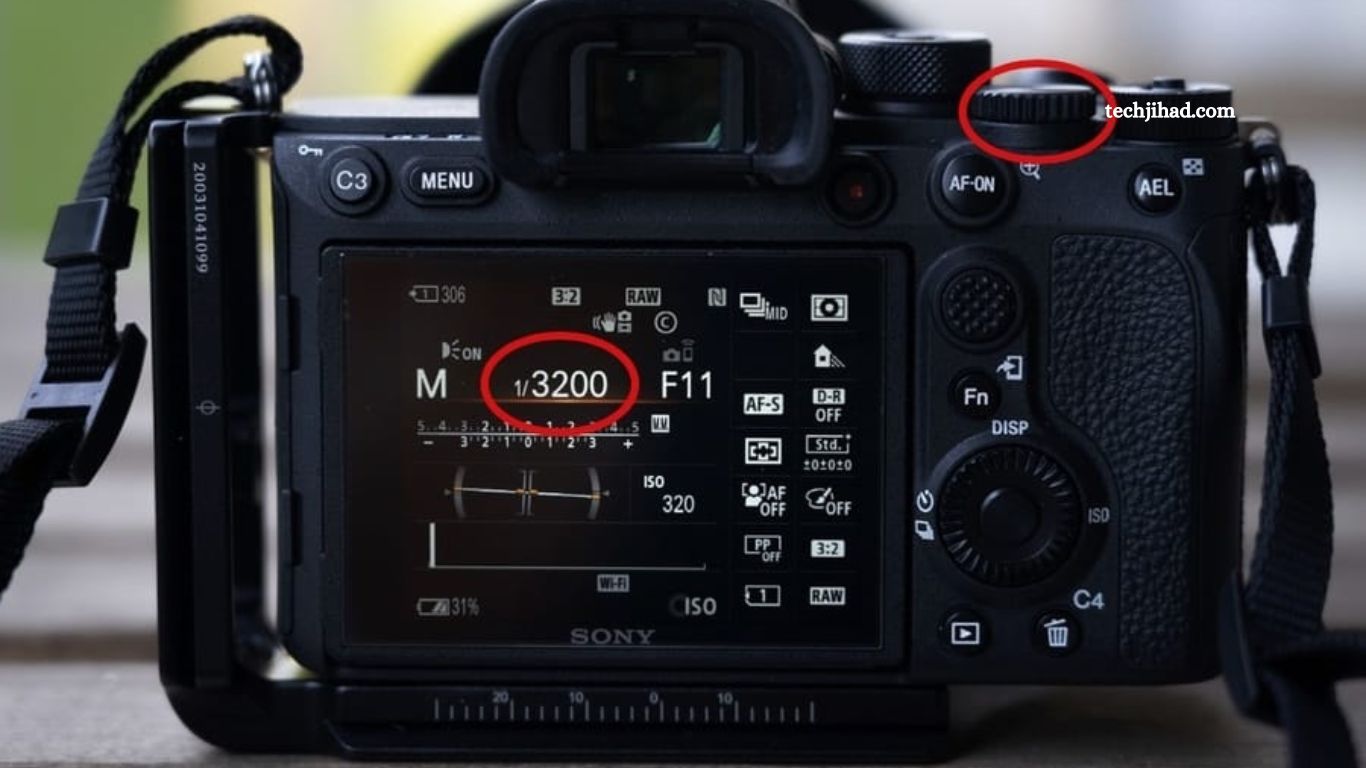
Capturing sharp, well-balanced images depends less on expensive gear and more on correct camera settings. Understanding core photography controls helps produce consistent results in any lighting or environment.
This guide explains essential camera settings for perfect photos every time, optimized for beginners and improving photographers.
Read More: Beginner’s Guide to Photography: Start Taking Better Photos Today
Understand Exposure Triangle
Perfect photography starts with balancing three key settings: ISO, aperture, and shutter speed. These elements control brightness, clarity, and motion.
ISO (Light Sensitivity)
ISO controls sensor sensitivity to light.
- Low ISO (100–200): Best for daylight, sharp detail, low noise
- Medium ISO (400–800): Indoor lighting, controlled noise
- High ISO (1600+): Low light situations, more grain possible
Keep ISO as low as possible for clean images.
Aperture (Depth of Field)
Aperture controls how much light enters the lens and the background blur.
- Wide aperture (f/1.8 – f/2.8): Portraits, blurred background, strong subject focus
- Mid aperture (f/4 – f/8): Balanced sharpness, general photography
- Narrow aperture (f/11 – f/16): Landscapes, full scene sharpness
Lower f-number = more light + more background blur.
Shutter Speed (Motion Control)
Shutter speed controls how long the sensor captures light.
- Fast speed (1/500 – 1/2000): Freeze motion, sports, action shots
- Medium speed (1/60 – 1/250): Everyday photography
- Slow speed (1/2 – 30 sec): Night photography, light trails, motion blur
Use ta ripod for slow shutter speeds to avoid shake.
Use Manual Mode for Full Control
Auto mode limits creativity. Manual mode gives full control over ethe xposure triangle.
Start with:
- ISO 100–200
- Aperture f/4–f/5.6
- Shutter speed 1/125
Adjust based on lighting conditions.
White Balance for Natural Colors
White balance ensures accurate color tones.
Common presets:
- Daylight: Natural sunlight
- Cloudy: Warmer tones
- Tungsten: Indoor yellow light correction
- Fluorescent: Cool lighting balance
Custom white balance gives the best accuracy in mixed lighting.
Focus Settings for Sharp Images
Sharp focus improves image quality instantly.
- Single-point autofocus: Best for portraits
- Continuous autofocus: Moving subjects
- Manual focus: Macro or creative control
Focus on the eyes for portraits for professional results.
Shoot in RAW Format
RAW format captures maximum data.
Benefits:
- Better editing flexibility
- Improved highlight and shadow recovery
- Higher image quality compared to JPEG
Use JPEG only for quick sharing.
Use Proper Metering Mode
Metering measures light for correct exposure.
- Matrix/Evaluative: General photography
- Center-weighted: Balanced subject focus
- Spot metering: Precise exposure control on the subject
Spot metering works best in high-contrast scenes.
Composition Enhances Camera Settings
Even perfect settings need strong composition.
Use:
- Rule of thirds for balanced framing
- Leading lines for direction
- Symmetry for visual impact
- Negative space for subject emphasis
Good composition increases photo quality instantly.
Lighting Determines Final Output
Lighting impacts image quality more than settings.
Best practices:
- Shoot during golden hour for warm tones
- Avoid harsh midday sunlight
- Use reflectors or natural bounce light indoors
Soft light improves skin tones and detail.
Frequently Asked Questions
What are the best basic camera settings for beginners?
ISO 100–200, aperture around f/4–f/5.6, and shutter speed near 1/125 works well in normal light.
Which ISO setting is best for clear photos?
Lower ISO ,like 100 or 200 ,gives cleaner images with less noise.
What aperture is best for portraits?
WA wideaperture ,such as f/1.8 to f/2.8, creates a blurred background and sharp subject focus.
How do I avoid blurry photos?
Usea faster shutter speed, like 1/250 or highe,r and keethe p camera steady, or usea tripod.
Should I use Auto or Manual mode?
Manual mode gives full control and better results, especially in changing light conditions.
Why shoot in RAW format?
RAW keeps full image data, allowing better editing and higher quality results.
Conclusion
Perfect photography comes from mastering ISO, aperture, shutter speed, focus, and lighting balance. Consistent practice with manual settings builds confidence and control. Apply these camera settings for perfect photos every time and improve visual quality across portraits, landscapes, and action shots.
