

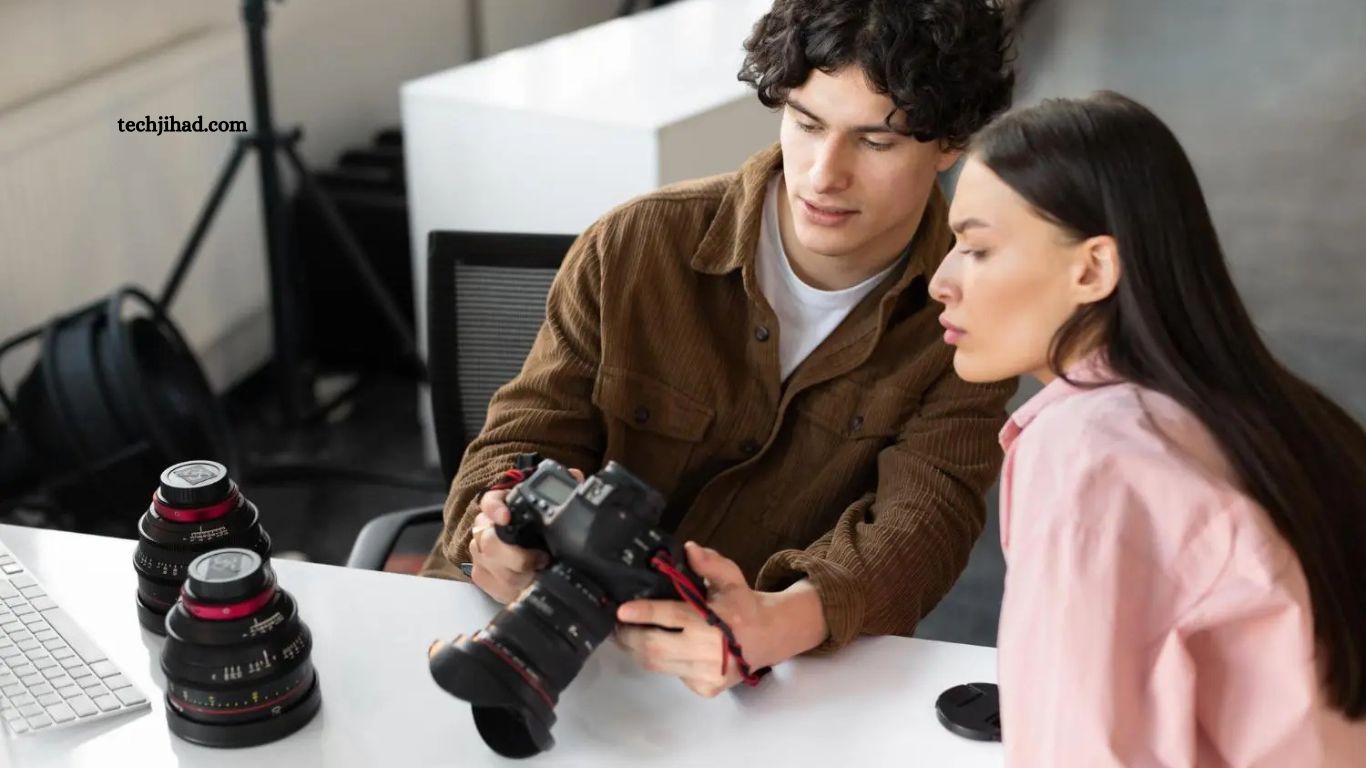
Photography offers a creative way to capture moments, express emotions, and tell visual stories. Beginners often feel confused by camera settings, lighting, and composition, but learning the basics makes the process simple and enjoyable.
This guide helps you understand essential photography principles easily and practically. From using natural light to improving framing and focus, each step builds confidence behind the camera. With consistent practice and simple techniques, anyone can start taking better, more professional-looking photos today.
Read More: 10 Photography Tips to Take Stunning Photos Like a Pro
Understand Light First
Light shapes every photograph. Learning how to see and use light will improve your images faster than any camera upgrade.
- Natural light works best for beginners. Early morning and late afternoon (golden hour) provide soft, warm tones.
- Avoid harsh midday sun when shadows appear strong and unflattering.
- Position matters: Try front light for clarity, side light for depth, and backlight for dramatic silhouettes.
Practice observing how light falls on subjects before pressing the shutter.
Learn Basic Composition
Composition determines how elements appear within your frame. Simple techniques create immediate improvement:
- Rule of thirds: Place your subject slightly off-center for balance.
- Leading lines: Use roads, fences, or patterns to guide the viewer’s eye.
- Framing: Shoot through objects like windows or branches to add depth.
- Keep it simple: Remove distractions from the background.
Strong composition turns ordinary scenes into compelling images.
Get Comfortable with Camera Settings
Understanding basic settings helps you control the final result:
- Aperture (f-stop): Controls depth of field. Lower values (f/1.8) blur the background, higher values (f/11) keep more in focus.
- Shutter speed: Controls motion. Fast speeds freeze action; slow speeds create motion blur.
- ISO: Controls brightness. Keep it low to reduce noise unless shooting in low light.
Start with auto mode, then gradually switch to aperture priority or manual mode as confidence grows.
Focus on Sharpness
Blurry photos often frustrate beginners. Improve sharpness with these steps:
- Hold the camera steady or use a tripod
- Use proper focus points instead of relying on full auto
- Avoid very slow shutter speeds when shooting handheld
Sharp images look more professional and visually pleasing.
Choose the Right Subject
Great photography starts with intention. Instead of capturing everything, focus on one clear subject.
Ask yourself:
- What is the main story in this image?
- What should the viewer notice first?
A clear subject improves impact instantly.
Practice Framing and Angles
Changing perspective can transform a photo:
- Shoot from low angles for dramatic effect
- Try top-down shots for patterns or food photography
- Move around instead of zooming
Exploring angles helps develop a unique visual style.
Edit Your Photos
Editing enhances quality without changing reality too much.
- Adjust brightness, contrast, and color balance
- Crop for better composition
- Avoid over-editing or excessive filters
Simple edits can elevate a good photo into a great one.
Use Any Camera You Have
Many beginners believe they need expensive equipment. In reality, skill matters more than gear.
- Smartphones today offer excellent camera capabilities
- Entry-level cameras produce professional-quality results when used correctly
Focus on learning the technique first before investing in advanced gear.
Practice Consistently
Improvement comes through repetition and review:
- Take photos daily, even of simple subjects
- Analyze what works and what doesn’t
- Learn from mistakes instead of deleting everything
Consistency builds both technical skills and creative vision.
Frequently Asked Questions
What is the best camera for beginners?
A smartphone or entry-level DSLR/mirrorless camera works well for starting out.
Do I need expensive gear to take good photos?
No, good photography depends more on skill than equipment.
What is the easiest way to improve photography quickly?
Learn lighting and practice composition techniques like the rule of thirds.
What is ISO in photography?
ISO controls how bright your image is; lower ISO gives clearer images in good light.
How can I make my photos look professional?
Focus on sharpness, proper lighting, and simple editing adjustments.
How often should I practice photography?
As often as possible, ideally daily, to build skill and confidence.
Conclusion
Photography becomes easier and more rewarding with consistent practice and a clear understanding of basic principles. Mastering light, composition, and camera settings builds a strong foundation for better images. You do not need advanced equipment to create meaningful photos; steady learning and observation matter more.
