

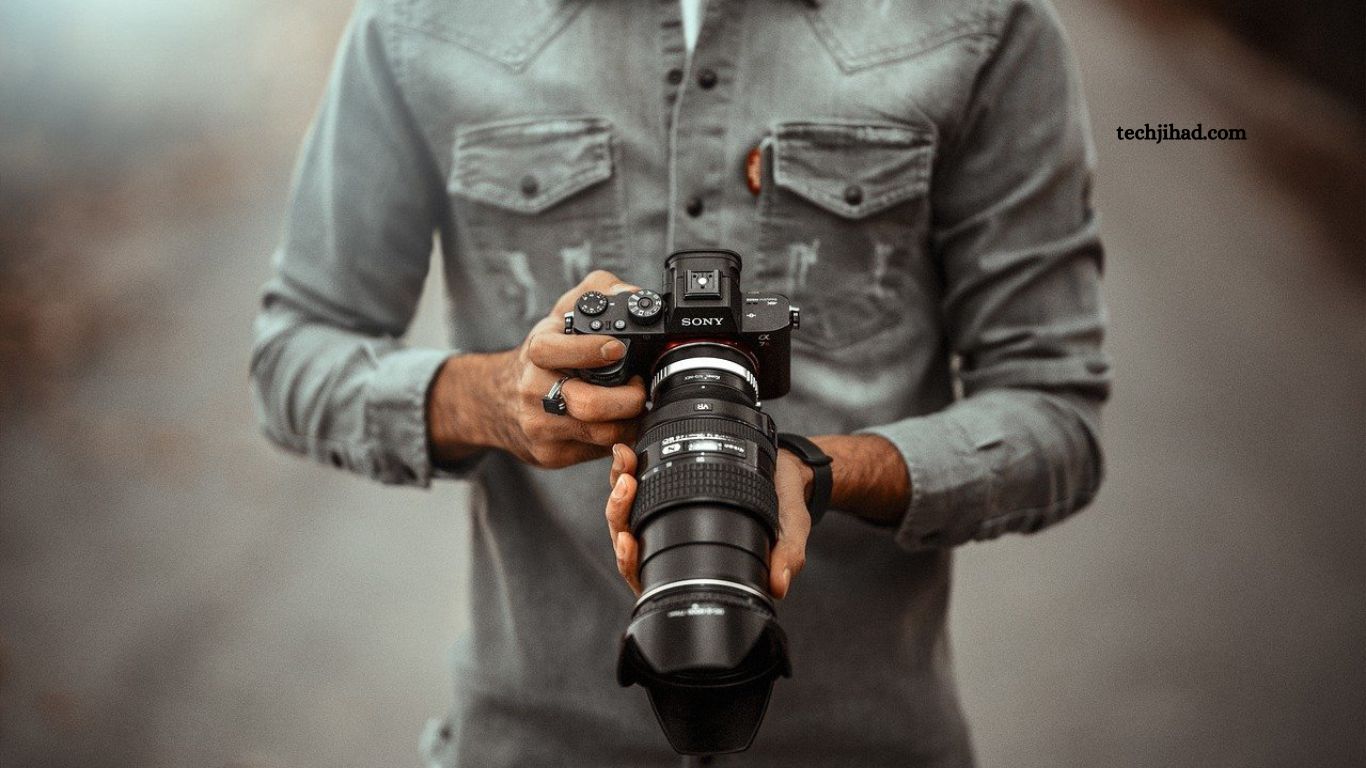
Photography is a powerful art form that captures emotions, moments, and stories in a single frame. With the right techniques, anyone can transform simple shots into professional-quality images. Understanding lighting, composition, angles, and focus plays a major role in creating visually appealing photos.
Whether using a smartphone or a camera, small improvements in skills can make a big difference. This guide shares practical photography tips to help you take stunning photos like a professional and enhance your creative vision.
Read More: PC vs Console Gaming: Which Is Better in 2026?
Master Natural Light First
Light defines photography. Natural light creates depth, mood, and clarity without extra equipment.
- Shoot during golden hour (early morning or late afternoon)
- Avoid harsh midday sunlight
- Use soft window light for indoor shots
Good lighting instantly improves photo quality more than any filter or editing tool.
Use the Rule of Thirds for Balanced Composition
Composition separates average photos from professional ones. The rule of thirds is a simple but powerful technique.
- Divide the frame into a 3×3 grid
- Place the subject along the grid lines or intersections
- Avoid centering every subject
This creates natural balance and visual interest.
Keep Background Clean and Simple
A distracting background weakens even a strong subject.
- Remove unnecessary objects
- Use plain walls, nature, or blurred backgrounds
- Adjust the angle to simplify the scene
Minimal backgrounds make the subject stand out clearly.
Focus on Sharpness and Detail
Blurry images reduce impact.
- Tap focus on the subject (smartphone)
- Use autofocus or manual focus (camera)
- Hold the camera steady or use a tripod
Sharp focus builds professional quality instantly.
Control Exposure for Perfect Brightness
Exposure controls the light balance in your photo.
- Adjust brightness manually if needed
- Avoid overexposed highlights
- Keep shadows detailed
Correct exposure keeps the image natural and realistic.
Use Leading Lines for Strong Composition
Leading lines guide the viewer’s eyes toward the subject.
- Roads, fences, bridges, or shadows work well
- Position subject at the end of lines
- Use diagonal lines for a dynamic effect
This adds depth and storytelling to your image.
Capture Multiple Angles
One angle is never enough for great photography.
- Shoot from a low angle for power
- Use a high angle for storytelling
- Try side and diagonal perspectives
Different angles create variety and a stronger visual impact.
Apply Depth by Including Foreground
Flat images feel less engaging. Depth adds dimension.
- Add objects in the foreground
- Use layered composition (front, middle, back)
- Shoot through objects like leaves or windows
This creates a cinematic photo style.
Edit Lightly for Natural Results
Editing improves photos, but over-editing reduces quality.
- Adjust brightness, contrast, and sharpness
- Avoid heavy filters
- Maintain natural color tones
Simple edits preserve realism and professionalism.
Practice Consistently
Photography skills improve through repetition.
- Take photos daily
- Experiment with settings and lighting
- Study professional photographers
Consistent practice builds confidence and creativity.
Frequently Asked Questions
What is the most important photography tip for beginners?
Understanding natural light is the most important foundation for better photos.
How can I make my photos look professional?
Use good lighting, clean composition, sharp focus, and simple editing.
What is the rule of thirds in photography?
It is a composition method where the frame is divided into a 3xgriri, and the subject is placed along the lines or intersections.
Do I need an expensive camera for good photos?
No, even a smartphone can produce high-quality photos with proper technique.
How do I avoid blurry photos?
Keep your hands steady, focus properly, and use a tripod if needed.
Should I edit every photo I take?
Light editing is helpful, but avoid over-editing to keep images natural.
Conclusion
Photography becomes powerful when technique meets creativity. Strong lighting, balanced composition, proper focus, and simple editing can transform ordinary shots into professional-quality images. Consistent practice builds skill, sharpens vision, and improves results over time.
